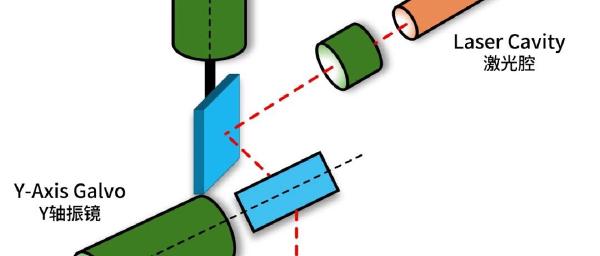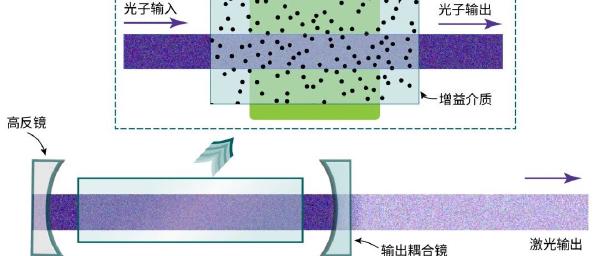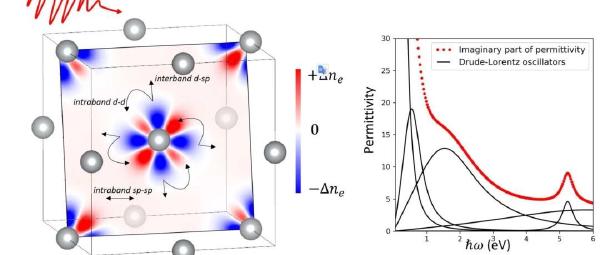
Power and wavelength are only the starting point. Processing accuracy, productivity, and quality are ultimately determined by the complete physical expression of energy: its spatial profile, temporal sequence, and vector direction.
Spatial distribution Temporal sequence Beam quality Polarization direction
Introduction
Power and wavelength are the two parameters most often mentioned in laser processing. They are necessary, but they are not sufficient. Micrometer-scale cutting, dissimilar-metal welding, and nanoscale surface texturing all require a deeper parameter set.
These parameters determine whether energy reaches the material at the right location, at the right time, and in the right physical form. This article organizes them into three dimensions:
How is energy distributed? How do beam mode, M², depth of focus, and divergence control focusing?
Is energy continuous or pulsed? How do pulse duration and repetition rate separate thermal from near-athermal processing?
How does the electric field oscillate? Why does polarization affect absorption, cutting consistency, and micro/nanotexture orientation?
The three dimensions interact. Together they determine whether a process produces a sound weld, a uniform cladding layer, or a precise micro- or nanostructure.
How is energy distributed in space?
The spatial characteristics of a beam describe the energy distribution across its cross-section. They directly control energy density and therefore whether a material is heated gradually, melted rapidly, or vaporized almost instantaneously.
Beam modes
A laser beam is not necessarily a uniform column of energy. Its internal intensity follows one or more optical modes.
Single mode (TEM₀₀) and Gaussian beams
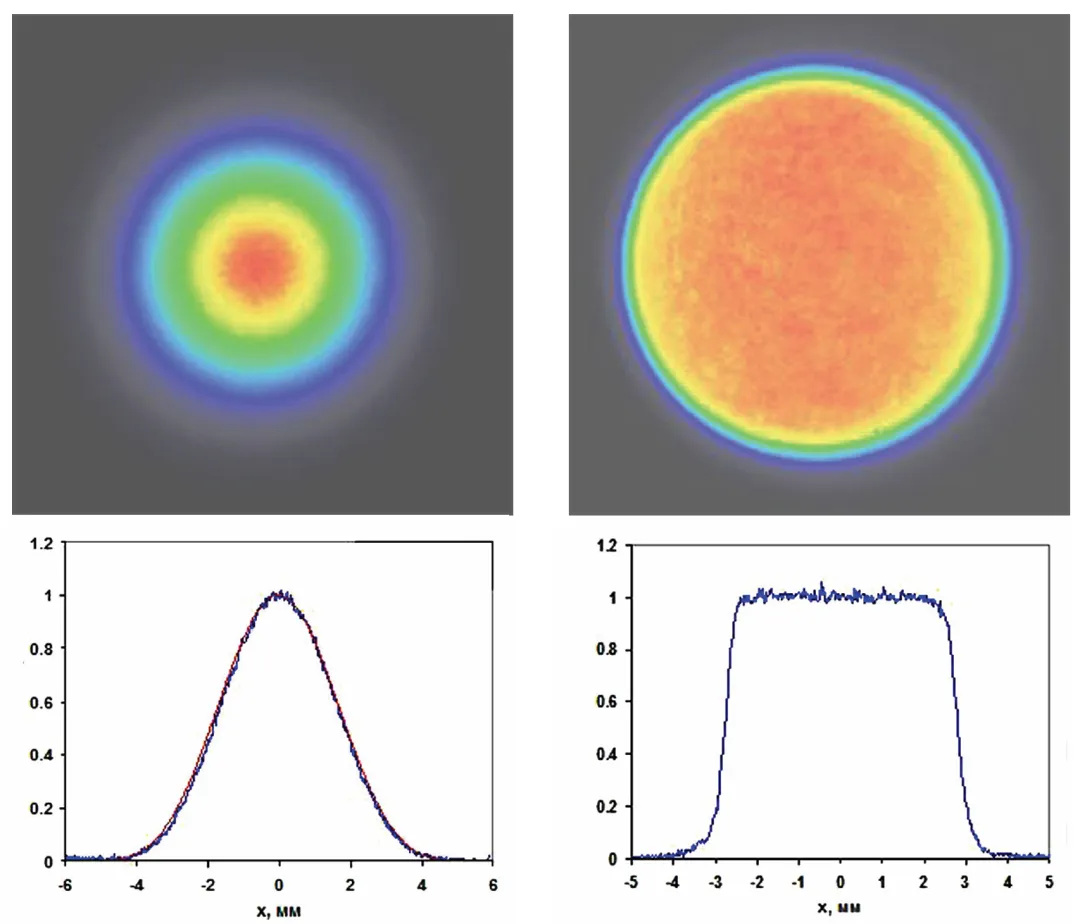
An ideal single-mode \(\mathrm{TEM}_{00}\) beam has an intensity profile that resembles a smooth mountain: maximum intensity at the center, followed by symmetric decay toward the edge. Because the profile follows a Gaussian function, it is called a Gaussian beam.
Its defining advantage is highly concentrated energy without discontinuities. A lens can focus it to a theoretically small spot and create very high power density at the focal plane.
- Laser micromachining: suitable for narrow kerfs and fine holes;
- Precision welding: suitable for thermally sensitive thin-wall parts that require a narrow weld and small heat-affected zone.
Multimode and flat-top beams
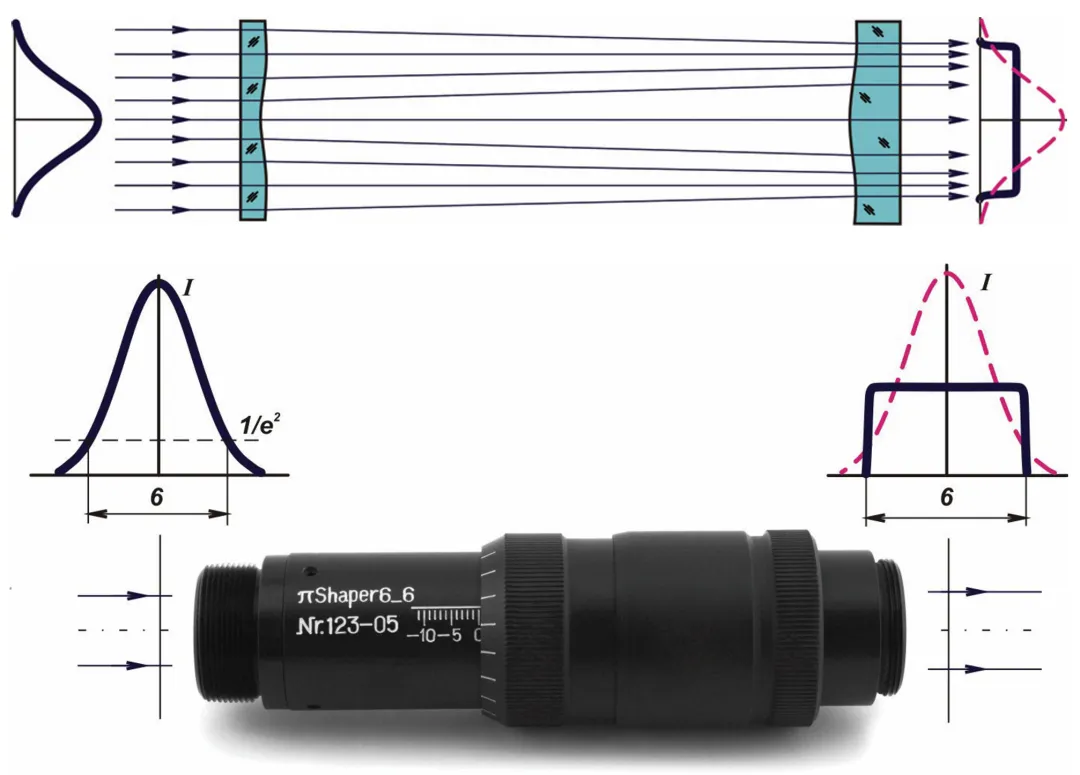
In practical systems, especially high-power lasers, several transverse modes may be superimposed. The resulting multimode beam no longer has a single central maximum and can contain several peaks or a more complicated distribution. Fiber delivery or beam shaping can make that distribution more uniform and produce a flat-top beam.
A flat-top profile supplies approximately uniform irradiance over a defined region. It avoids the overheated center and underpowered edge associated with a Gaussian profile. In laser cladding, this can create a more stable melt pool with controllable dimensions and improve layer consistency, which is valuable in applications such as die repair.
| Characteristic | Single-mode / Gaussian beam | Multimode / flat-top beam |
|---|---|---|
| Energy distribution | Concentrated near the center | Distributed more uniformly across an area |
| Main advantage | Very high energy density and precision | Stable melt pool and uniform heat distribution |
| Typical cutting | High-speed thin-sheet cutting, precision cutting, micromachining | Thick-section cutting and less demanding cuts |
| Typical welding / cladding | Microwelding, precision spot welding, thermally sensitive parts | Thick-section welding and laser cladding |
M²: a measure of beam “sharpness”
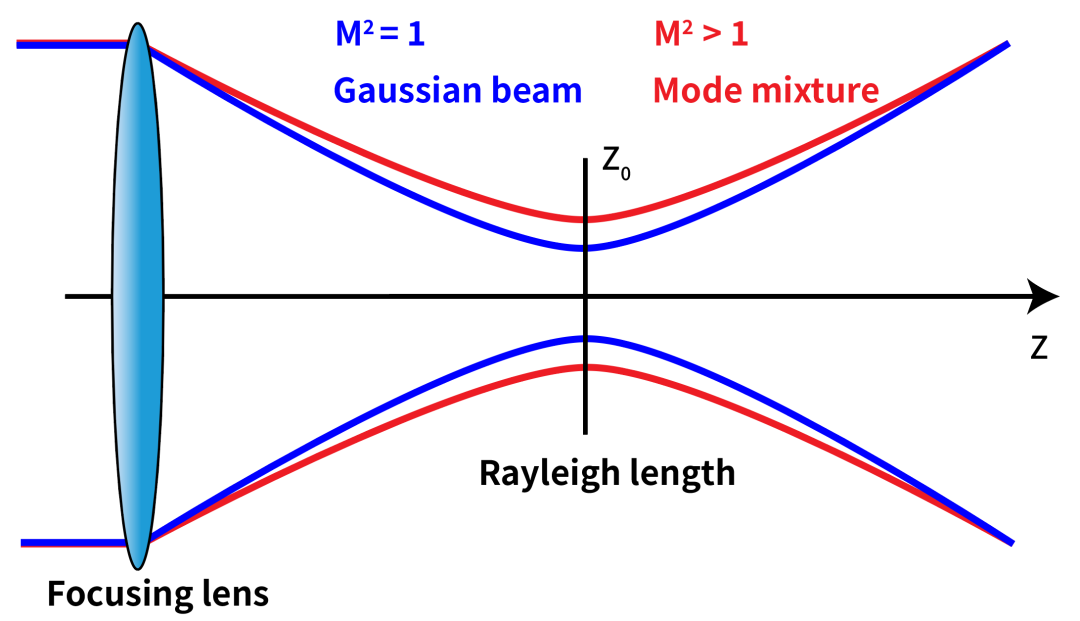
If the beam mode describes shape, the M² factor evaluates the quality of that shape. It is the standard measure of a beam’s focusability.
M² is dimensionless and describes how closely a real beam approaches an ideal Gaussian beam at the same wavelength. A perfect Gaussian beam satisfies
\[ M^2=1 \]Every real beam has \(M^2>1\). The closer M² is to 1, the better the beam quality, the smaller the achievable focus, and the more concentrated the energy. Even at equal total power, a beam with \(M^2=1.1\) can produce much higher focal power density than a beam with \(M^2=2\).
Depth of focus and divergence
Depth of focus is the effective working distance around the focal plane within which the spot remains sufficiently small and the energy remains sufficiently concentrated. A longer depth of focus creates a wider process window.
Real welding and cladding surfaces are never perfectly flat. With a long depth of focus, moderate focus-position error has less effect on penetration and bead width, improving process stability and yield. For the same focal spot size, a lower M² and better beam quality can provide a longer depth of focus.
Divergence angle describes how quickly the beam expands during long-distance propagation. Remote welding and cutting require low divergence so that energy can be delivered efficiently to a distant workpiece. A low incident divergence is also necessary when an optical system must create a small focal spot.
The spatial parameters form a clear causal chain:
Determines the original transverse modes emitted by the laser.
Single- or multimode operation determines the magnitude of M².
M² influences focal spot size, depth of focus, and divergence.
The final effect appears in power density, accuracy, and process-window width.
Temporal characteristics of energy delivery
Once the spatial profile has been selected, the next question is how energy arrives over time: as a steady stream or as short pulses. This determines whether the laser–material interaction follows comparatively slow thermal behavior or is dominated by transient nonequilibrium effects.
Continuous-wave and pulsed output
Continuous-wave lasers
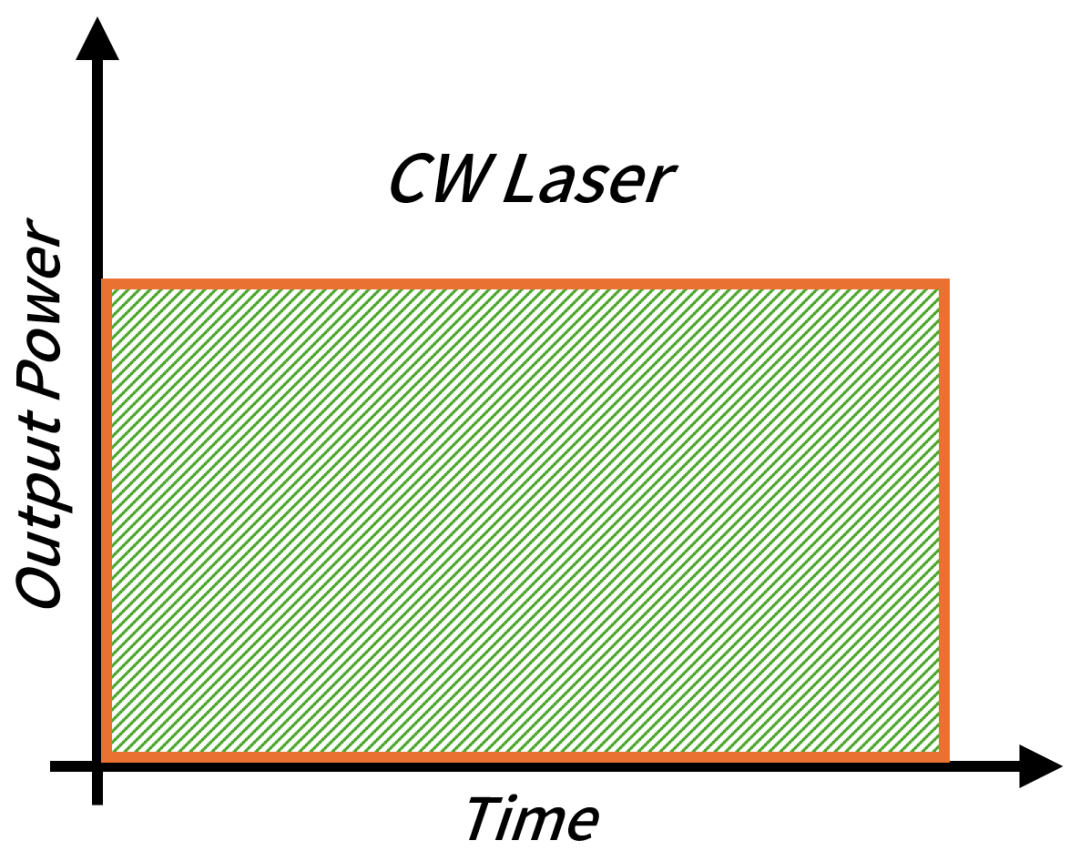
A continuous-wave (CW) laser emits approximately constant power, so peak power is essentially equal to average power. Continuous energy input gives heat enough time to conduct into the material and usually produces a pronounced heat-affected zone (HAZ).
- Welding and cladding: deep-penetration welding of thick sections and large-area cladding require a stable, sustained melt pool, making CW lasers the main industrial choice;
- Metal cutting: most industrial metal cutting, especially medium and thick plate, uses CW output for productivity.
Pulsed lasers
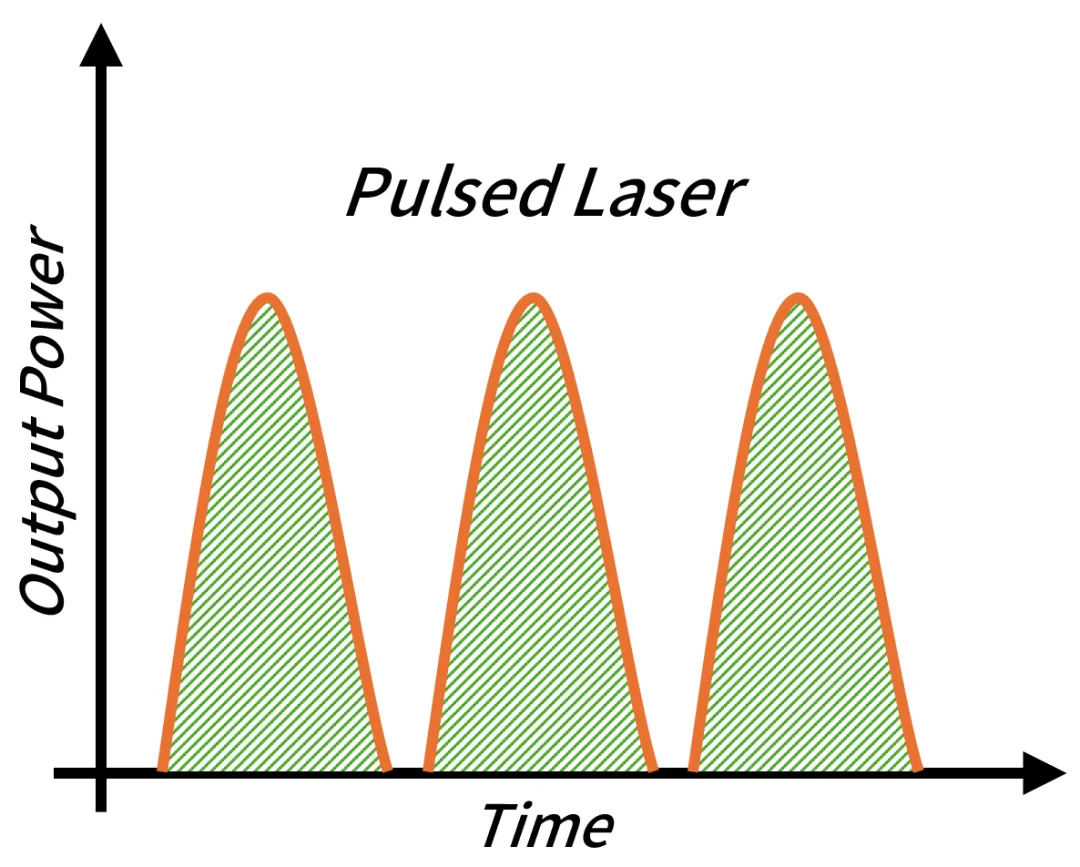
A pulsed laser emits discrete, short packets of energy. A large amount of energy can be delivered within a very short interval, producing peak power far above the average power. Because energy arrives rapidly, heat has less time to spread into the surrounding material, so the heat-affected zone can be much smaller.
- Precision welding: suitable for thermally sensitive parts such as battery tabs and medical devices, where heat input must be tightly controlled;
- Precision cutting, marking, and drilling: suitable when geometric accuracy and low thermal damage are critical.
Pulse duration: the parameter that separates “hot” and “cold” processing
Pulse duration is the temporal parameter that most directly changes the underlying interaction mechanism.
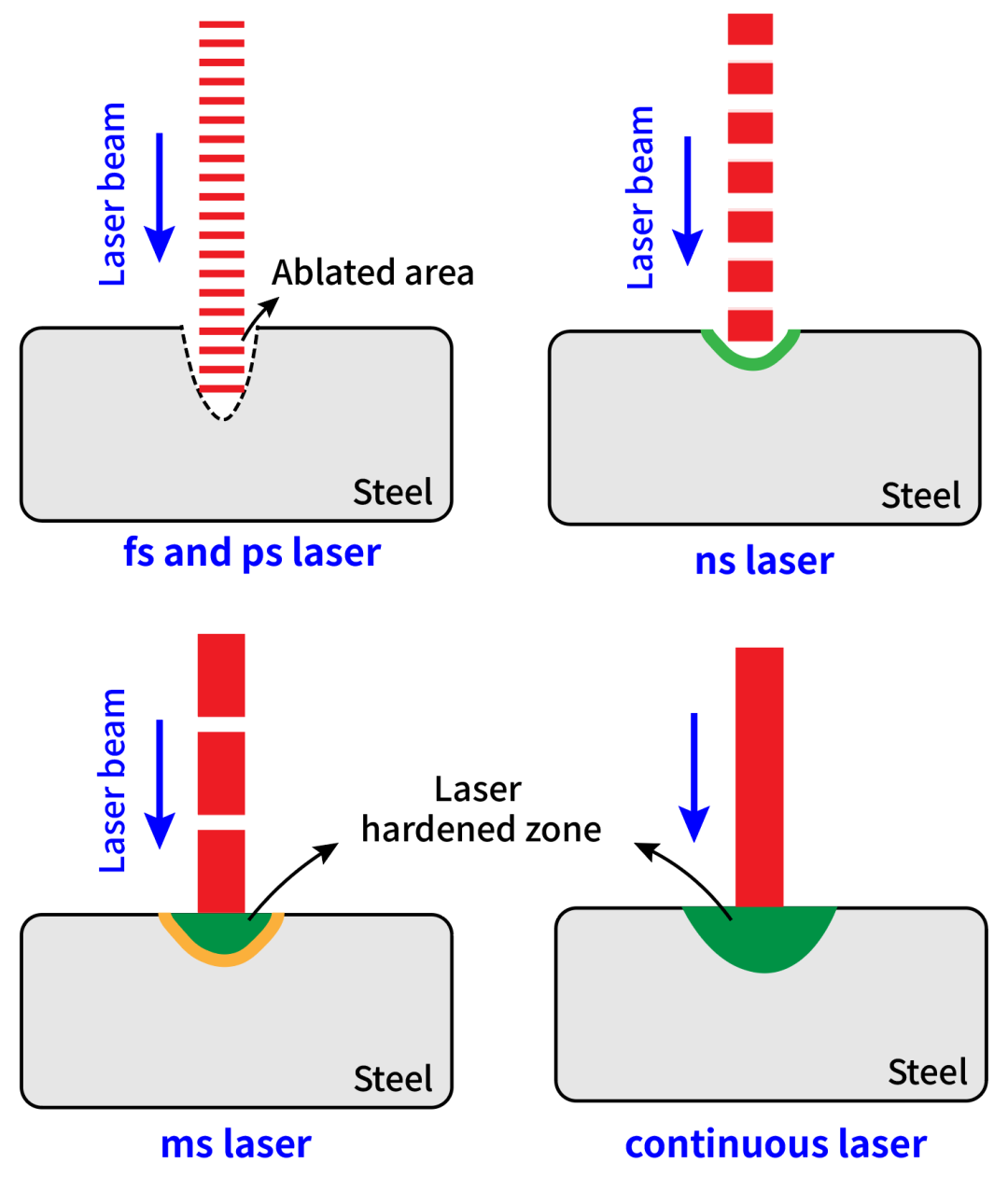
Nanoseconds (ns, \(10^{-9}\ \mathrm{s}\)): thermal processing
A nanosecond pulse is short on a macroscopic time scale, but long enough for substantial energy transfer between electrons and the lattice. Electrons first absorb the energy and then transfer it through collisions, heating the bulk material and allowing melting and vaporization to proceed. This is generally described as photothermal ablation.
The result often includes melt ejection, a recast layer, and a measurable heat-affected zone, all of which can reduce dimensional accuracy and edge quality.
Picoseconds (ps, \(10^{-12}\ \mathrm{s}\)) and femtoseconds (fs, \(10^{-15}\ \mathrm{s}\)): near-athermal processing
Picosecond and femtosecond pulses are comparable to, or shorter than, the time required for electrons to transfer energy to the lattice. By the time the pulse ends, electrons may already be highly excited or ionized while the lattice has not yet heated substantially. Material is removed through strong-field ionization, optical breakdown, and subsequent plasma expansion. Because thermal diffusion is strongly suppressed, this regime is often called cold ablation or optical breakdown processing.
The heat-affected zone can become extremely small, with little recast material or thermally induced microcracking. This enables high dimensional accuracy and excellent edge quality.
| Pulse duration | Dominant mechanism | Heat-affected zone | Main advantage | Typical applications |
|---|---|---|---|---|
| Nanosecond (ns) | Photothermal ablation, melting and vaporization | Pronounced | Cost-effective for macro-scale processing | General marking, cleaning, and some thin-material cutting |
| Picosecond (ps) | Mixed thermal / nonthermal behavior | Greatly reduced | Balance between performance and cost | High-quality micromachining and glass or ceramic cutting |
| Femtosecond (fs) | Cold ablation and optical breakdown | Often negligible | Very high precision with very low thermal damage | Ultrafine micro/nanofabrication, medical devices, and brittle materials |
Repetition rate: balancing productivity and heat accumulation
For a pulsed laser, repetition rate is the number of pulses emitted per second. It is a primary control over both processing productivity and heat accumulation.
Even nominally “cold” femtosecond processing leaves a small amount of residual heat after each pulse. If the next pulse arrives too quickly, heat from the previous pulse has not dissipated and the temperature rises progressively. Once the accumulated temperature exceeds the melting point, a process intended to be near-athermal can revert to thermal behavior.
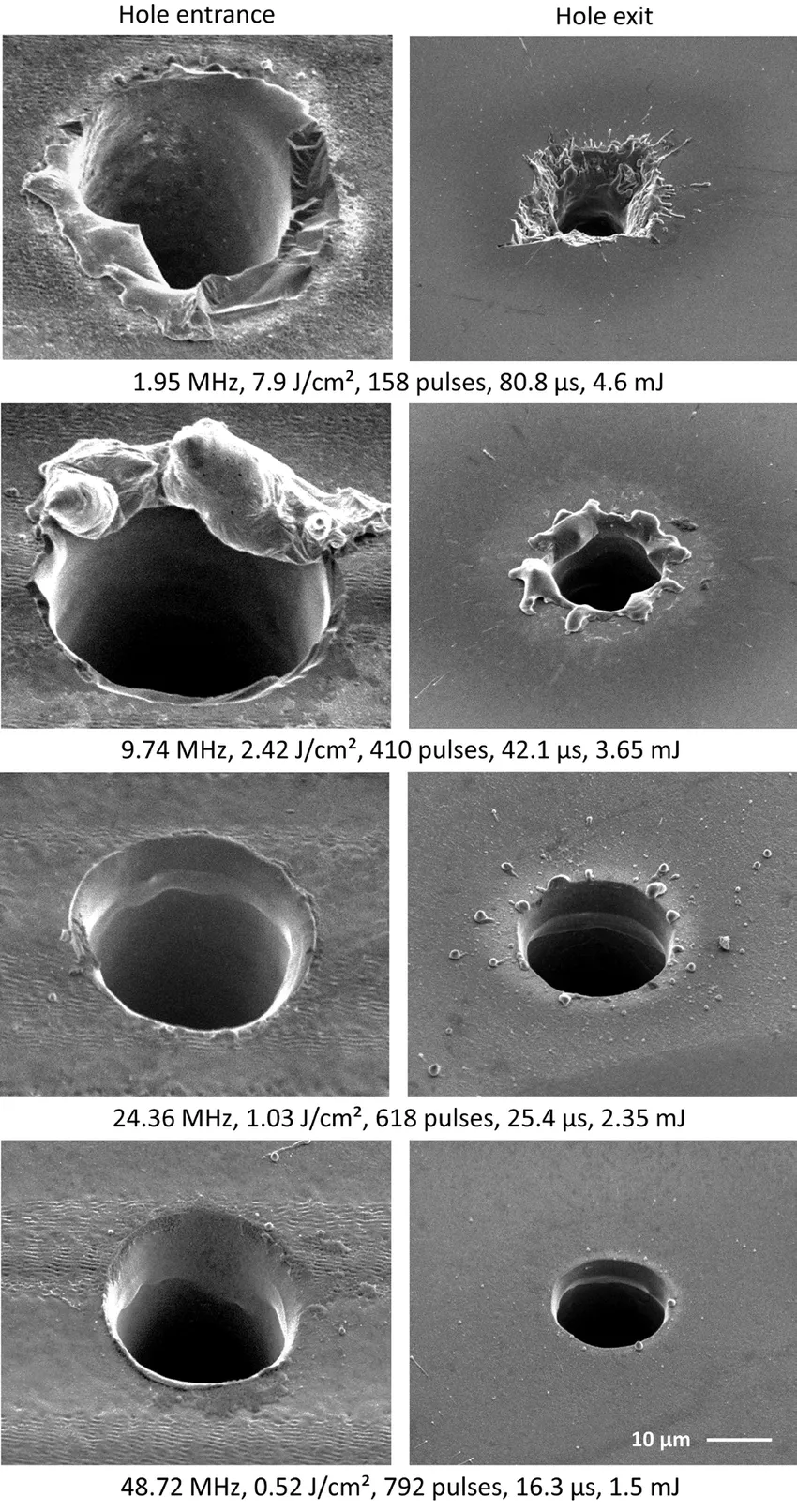
The temporal dimension can therefore be summarized as follows:
- Continuous-wave lasers are stable thermal sources suited to high throughput, deep penetration, and large melt pools;
- Pulsed lasers provide finer control of heat input, while pulse duration separates nanosecond thermal processing from picosecond and femtosecond near-athermal regimes;
- Repetition rate determines how much cooling time exists between pulses and must be selected as a trade-off between throughput and accumulated heat.
Beam direction: the often-overlooked vector property
Beyond energy magnitude and timing, the oscillation direction of the optical electric field—polarization—can directly influence process efficiency and quality.
Linear and circular polarization
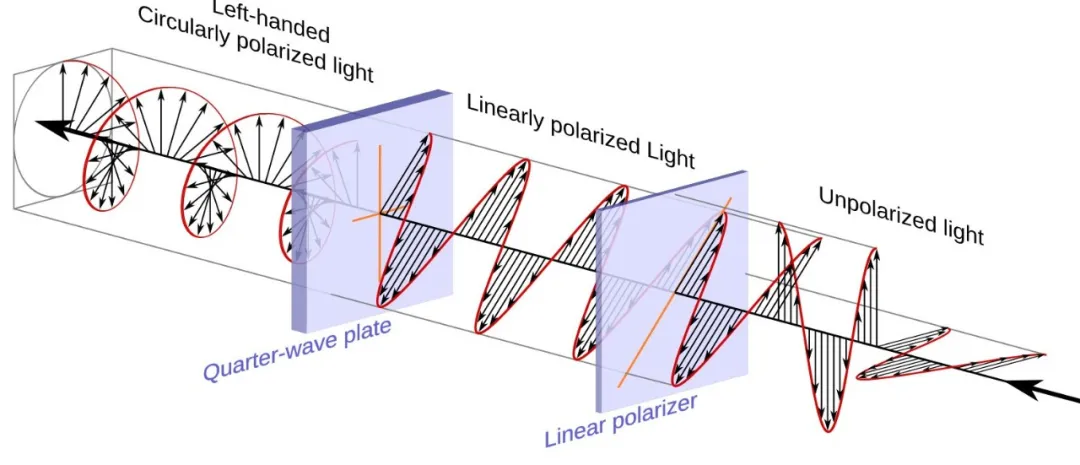
- Linear polarization: the electric-field vector oscillates in a fixed plane;
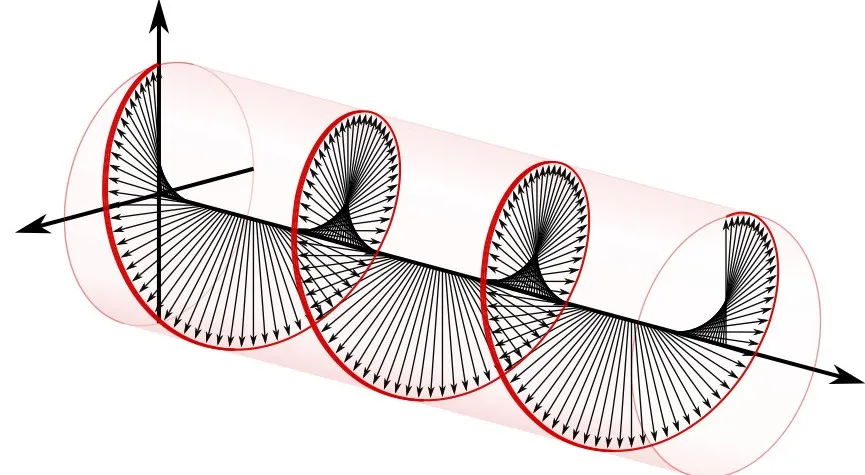
- Circular polarization: the electric-field vector rotates continuously as the wave propagates.
How polarization affects cutting
When a beam strikes a material at a non-normal angle—as commonly occurs at a cutting or welding front—the absorptivity can depend on polarization direction.
- Linear polarization: in straight-line cutting, aligning polarization with the cutting direction can increase absorption and cutting speed. During curves or complex contours, however, the angle between the fixed polarization and instantaneous travel direction keeps changing. Absorption therefore fluctuates, which can produce inconsistent kerf width and edge quality;
- Circular polarization: because the electric field is averaged over all directions, absorption remains more consistent as the path changes. Circular polarization is therefore common in industrial metal cutting, especially for complex contours.
How polarization controls LIPSS
In ultrafast processing, the direction of linear polarization can directly control the orientation of laser-induced periodic surface structures (LIPSS). Rotating the polarization rotates the periodic nanostructure, enabling surfaces with structural color, hydrophobicity, or other optical and physical functions.
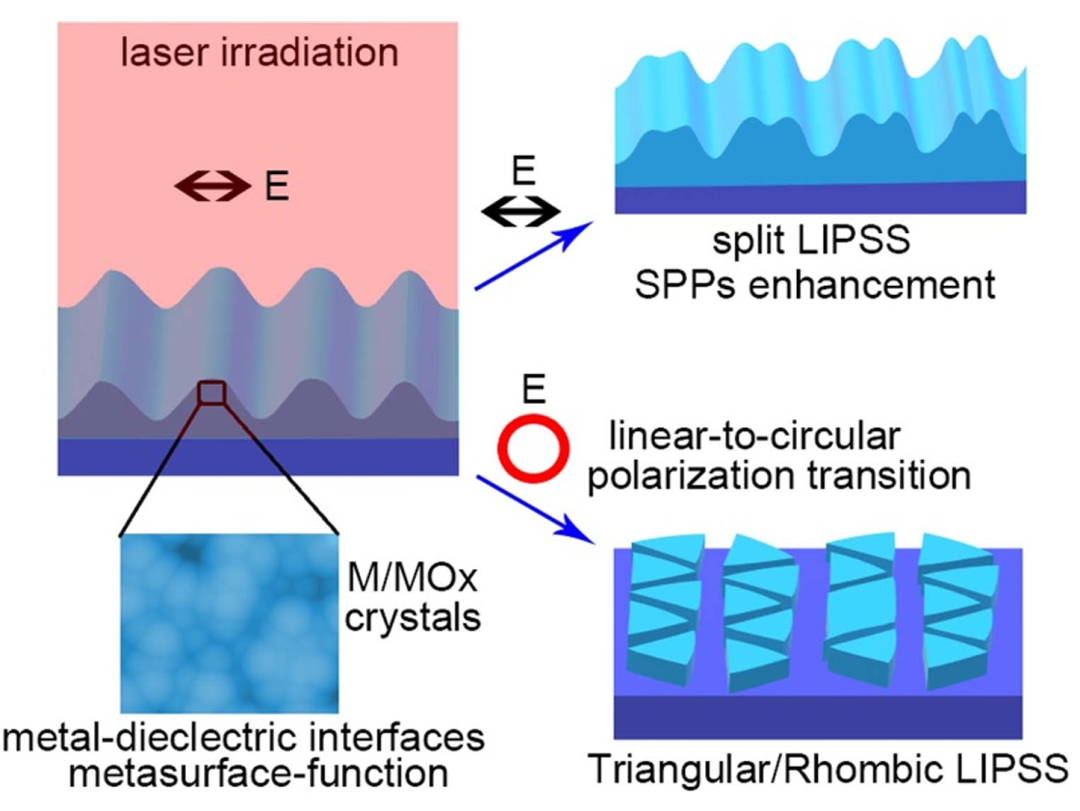
Circular polarization is advantageous when directional uniformity is required along a complex path. Linear polarization is advantageous when a concentrated directional response is needed to control the orientation of a micro- or nanostructure.
Conclusion
Power and wavelength open the door to laser processing, but spatial profile, temporal structure, and polarization determine how far the process can advance in precision, stability, and efficiency.
The practical path to excellent process quality is to understand the physics behind these parameters and connect them to the specific material, geometry, and process objective. With better sensing, modeling, and AI-assisted optimization, future laser systems will control these dimensions more intelligently and more precisely.
References
- “High Pulse Repetition Frequency Micro Hole Drilling of Silicon Using Ultrashort Pulse Laser Radiation.” Journal of Laser Micro/Nanoengineering, 14 (2019). DOI: 10.2961/jlmn.2019.03.0001.
- Circular polarization, Wikipedia.
- Zhang, D., Liu, R., & Li, Z. “Irregular LIPSS Produced on Metals by Single Linearly Polarized Femtosecond Laser.” International Journal of Extreme Manufacturing, 4, 015102 (2022). DOI: 10.1088/2631-7990/ac376c.
- Laskin, A., Kaiser, P., Laskin, V., & Ostrun, A. “Laser Beam Shaping for Biomedical Microscopy Techniques.” In Popp, J., Tuchin, V. V., Matthews, D. L., & Pavone, F. S. (Eds.), Brussels, Belgium, April 27, 2016, p. 98872E.
The Chinese original was published by “Laser Insights” on August 1, 2025, at 07:25 in Chongqing. View the original