Pores and cracks do not form independently. Forces drive melt-pool flow; flow redistributes heat, solute, and bubbles; solidification conditions determine grain morphology; and thermal cycling and phase transformation create residual stress. Defect control becomes effective only when material selection, process parameters, and external fields are organized along that causal chain.
Melt-pool flow Grain growth Pores and cracks Defect suppression
Recoil, surface tension, buoyancy, gravity, and gas flow act together.
Marangoni circulation redistributes temperature, elements, and bubbles.
\(G\), \(R\), and nucleation conditions select columnar or equiaxed grains.
Thermal cycles, shrinkage, and transformations create residual stress.
Porosity, hot and cold cracks, and surface roughness emerge from the chain.
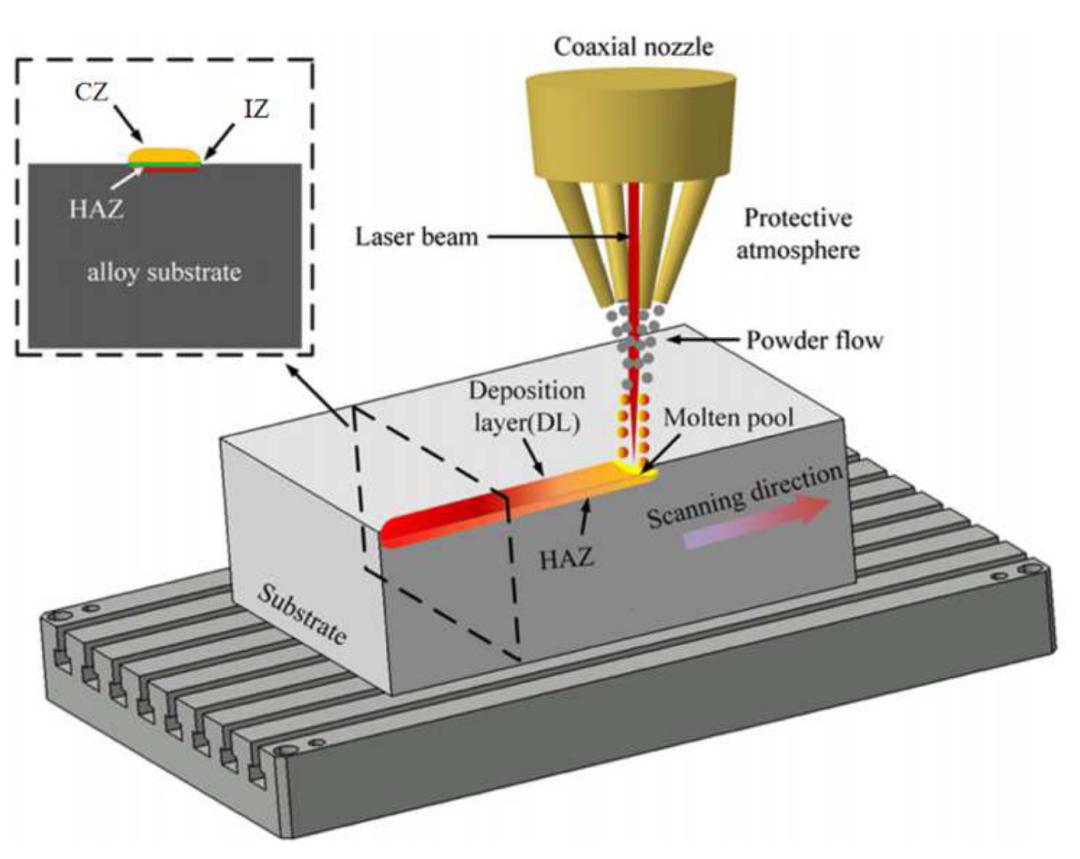
Application background
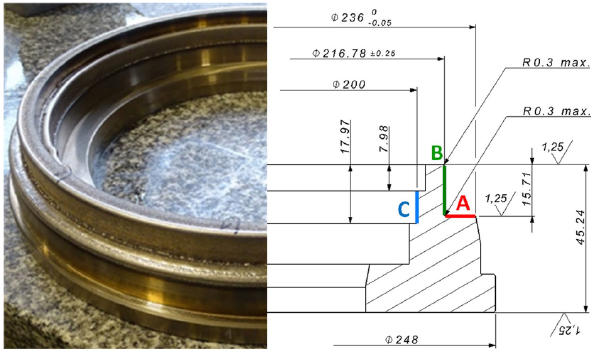
Turbine blades, engine blocks, dies, and shafts in aerospace, energy, and tooling operate under heat, pressure, corrosion, and wear. Surface damage reduces performance and life and may create major safety and economic consequences.
Electroplating, thermal spray, and conventional hardfacing each have limitations: electroplating may offer insufficient adhesion and creates pollution; thermal-spray layers are usually mechanically bonded and porous; arc hardfacing introduces high heat, distortion, a broad HAZ, and high dilution.
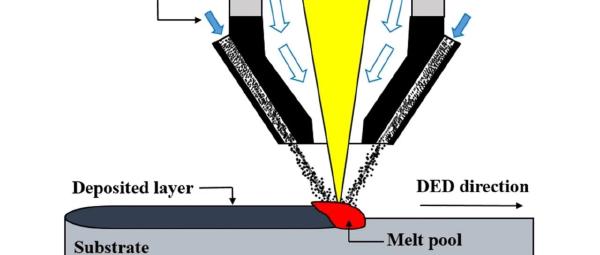
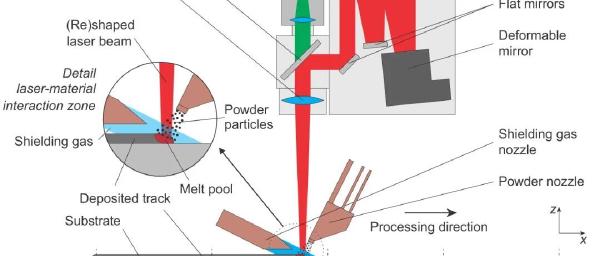
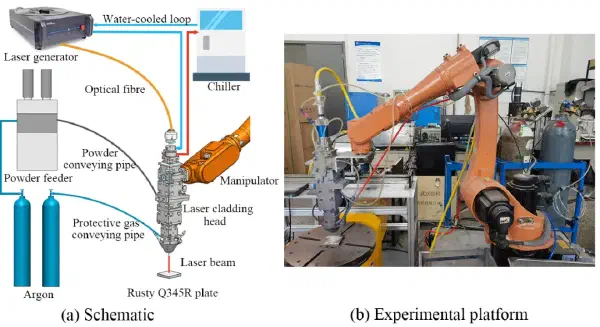
Laser cladding melts alloy feedstock and a shallow substrate layer with a concentrated beam to form a metallurgically bonded deposit. Its main benefits are controlled heat and distortion, low dilution, strong bonding, broad feedstock choice, and precise automated repair of complex surfaces.
Grain-growth mechanisms in the melt pool
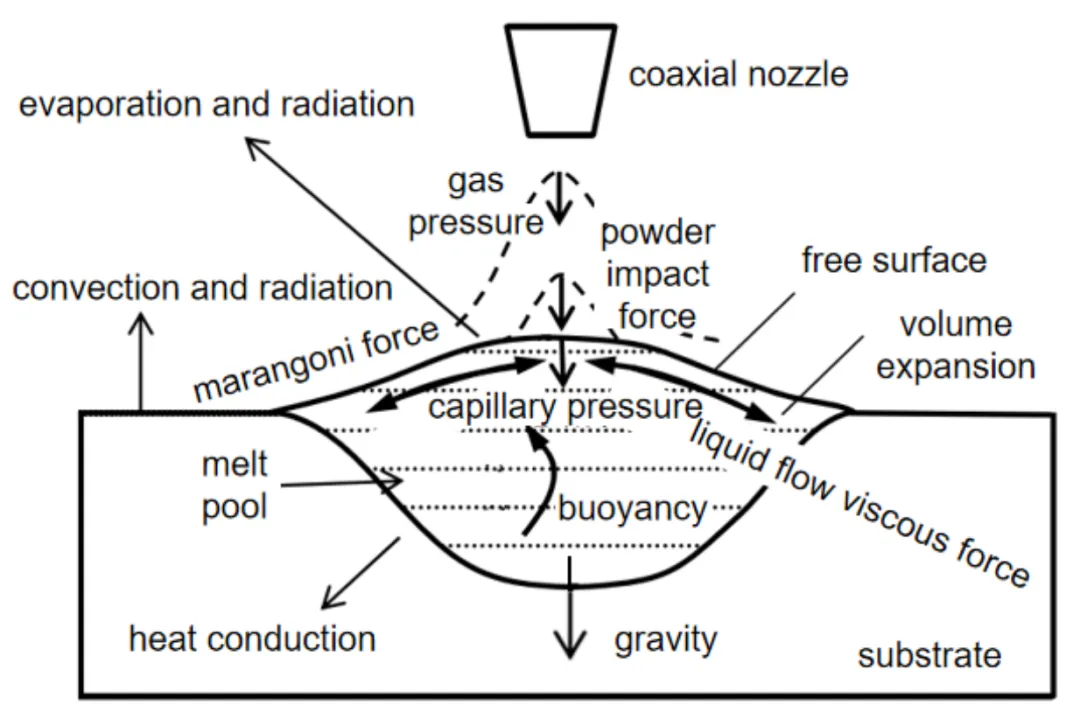
Forces acting on the pool
The liquid is driven by gravity, vapor recoil, carrier-gas momentum, particle impact, capillary force, Marangoni force, buoyancy, and viscous resistance. Their balance determines circulation and surface shape.
Melt-flow conditions
The dominant driver is often Marangoni convection. A surface-temperature gradient creates a surface-tension gradient. Liquid moves from low surface tension, commonly the hot center, toward higher surface tension at the cooler edge.
Surface-active elements such as S and O and rare-earth additions such as La and Ce can reverse the temperature coefficient \(\partial\sigma/\partial T\):
- when \(\partial\sigma/\partial T<0\), outward surface flow produces a shallow wide pool;
- when \(\partial\sigma/\partial T>0\), inward and downward flow produces a deeper narrower pool.
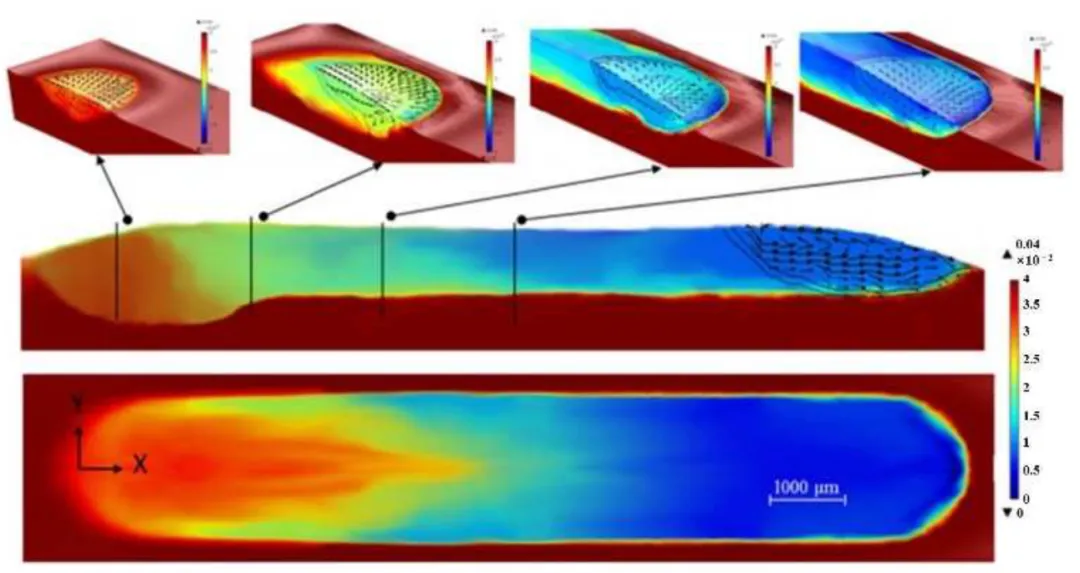
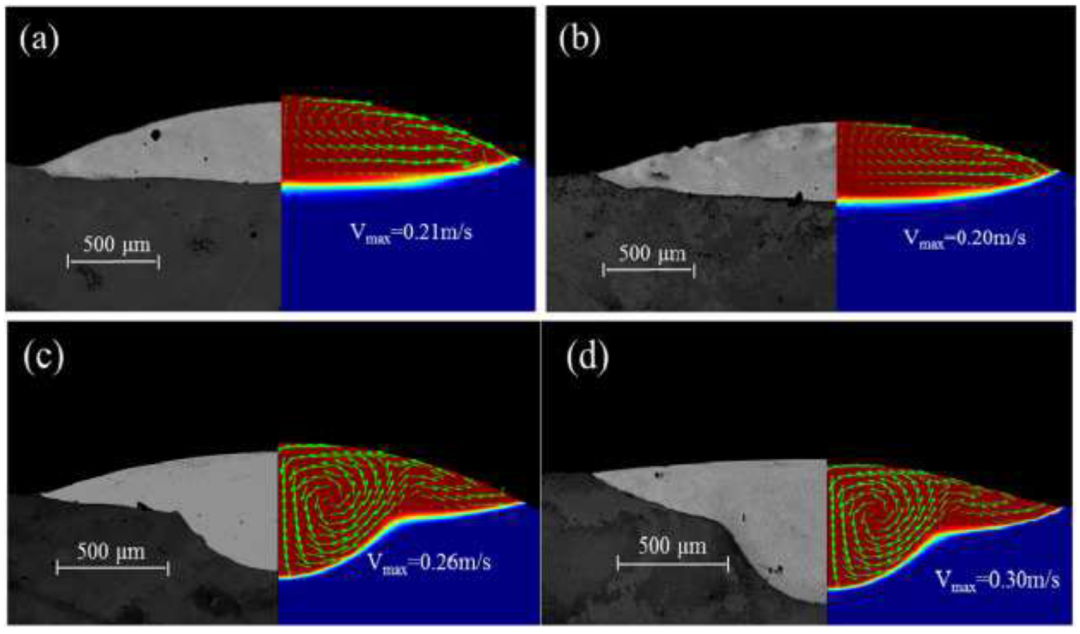
Flow controls heat transfer, elemental uniformity, entrainment of incompletely melted powder, bubble escape, and final grain structure.
Grain morphology
Two regions are common: columnar grains near the fusion line and equiaxed grains toward the upper or central part of the deposit.
- Columnar grains grow epitaxially from the substrate or previous layer along the maximum thermal gradient, approximately normal to the solid–liquid interface.
- Equiaxed grains form where undercooling is larger and unmelted particles or fragmented dendrite arms provide heterogeneous nuclei.
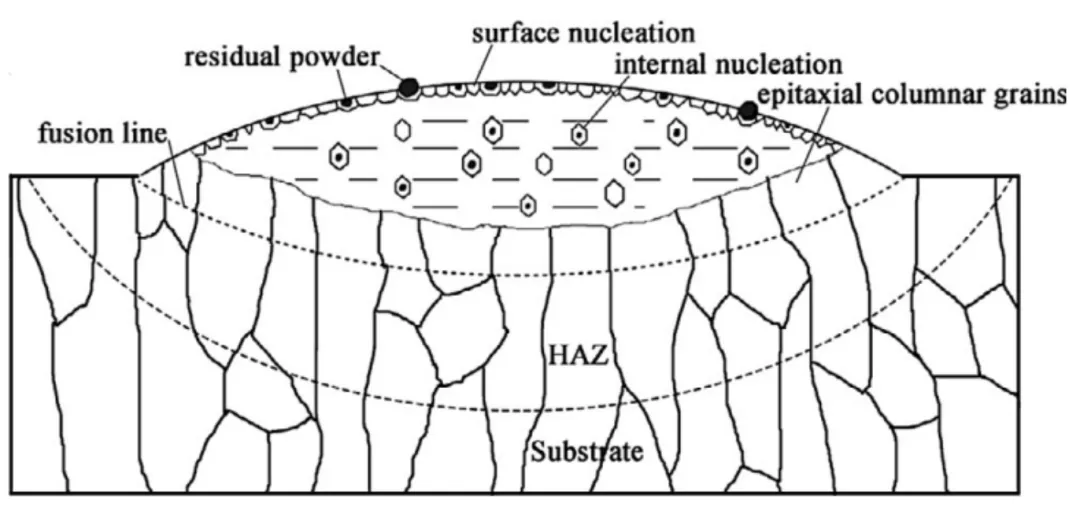
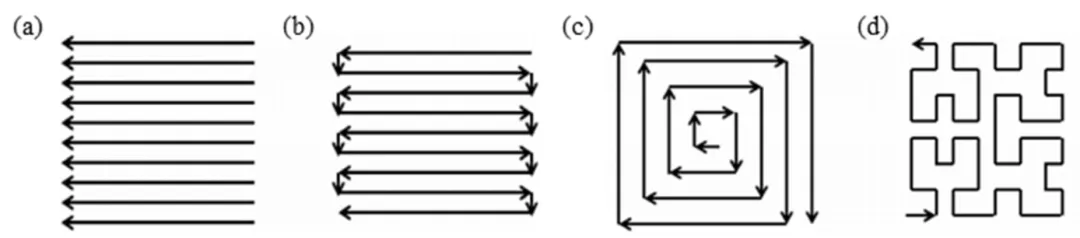
The balance depends on temperature gradient \(G\), front velocity \(R\), and nucleation density. High \(G/R\) favors columnar growth, while high \(G\cdot R\) refines the structure. Remelting in multilayer deposition can extend epitaxial columns through several layers. Scan strategy changes local heat accumulation and therefore grain direction and texture.
How flow changes grains
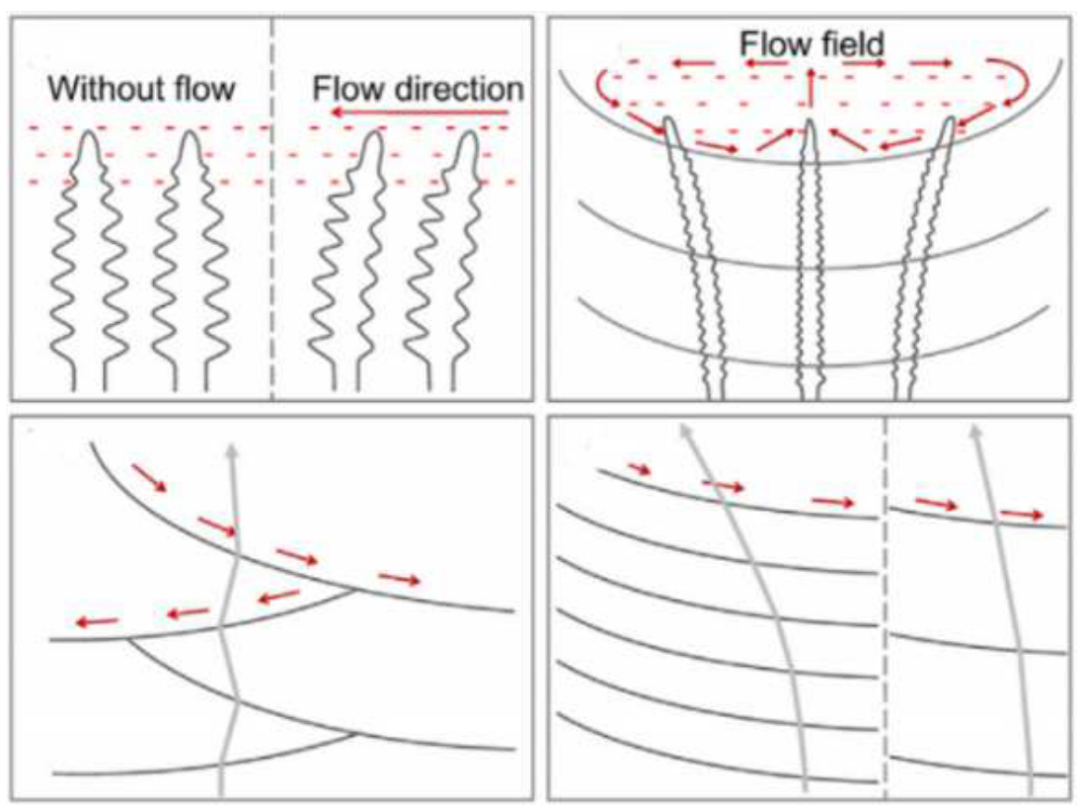
Flow transports broken dendrite arms into the liquid, increasing nuclei and promoting equiaxed growth. Strong circulation also changes solute and temperature ahead of the interface and can deflect or erode growing dendrites.
External-field control of microstructure
Vibration, ultrasound, electric current, magnetic fields, and substrate cooling actively change flow and solidification.
- High-frequency microvibration and ultrasound: acoustic streaming homogenizes transport; cavitation collapse produces local pressure waves that fragment dendrites and increase nuclei.
- Pulsed current and electric fields: electromigration, Joule heating, Peltier effects, skin effects, and electromagnetic pinch may increase undercooling and break dendrites.
- Magnetic fields: Lorentz-force stirring and thermoelectric magnetic force refine grains and change dendrite orientation and secondary-arm spacing.
- Cryogenic or low-temperature substrate control: increases cooling rate, refines dendrite spacing, limits segregation, and raises hardness, although it may increase thermal stress.
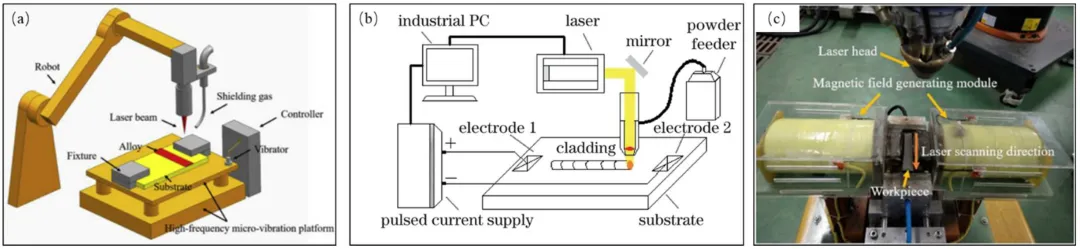
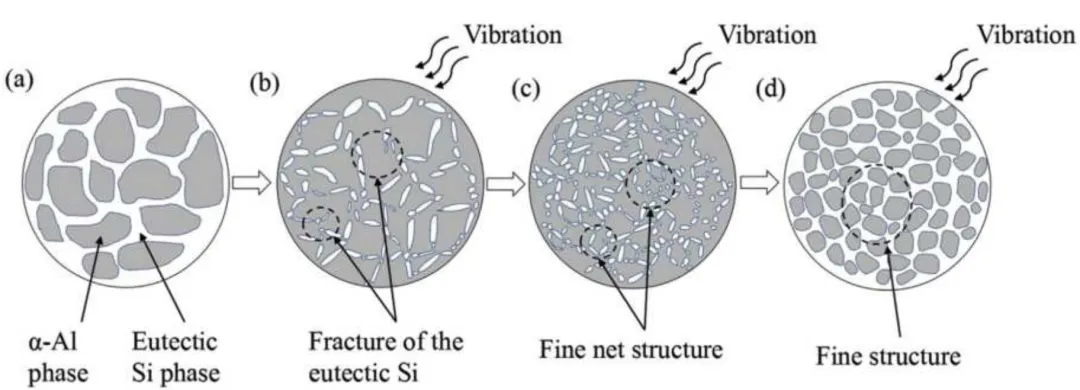
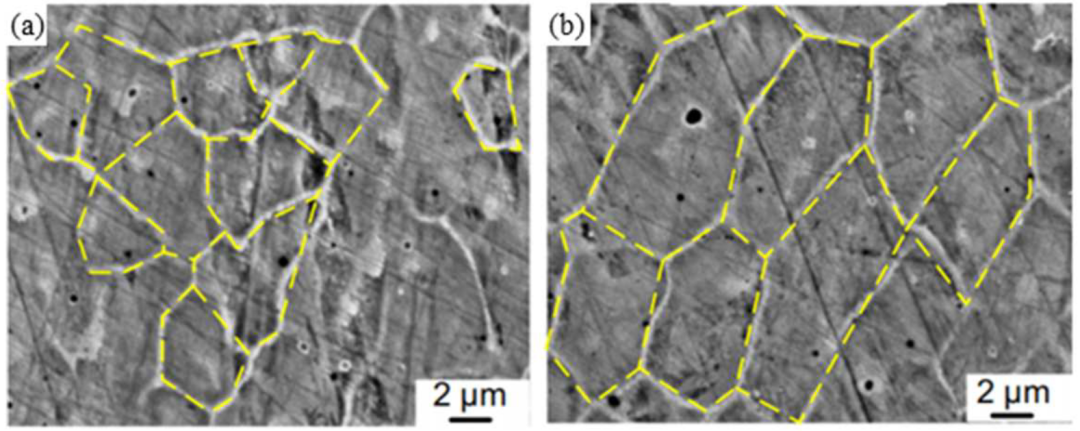
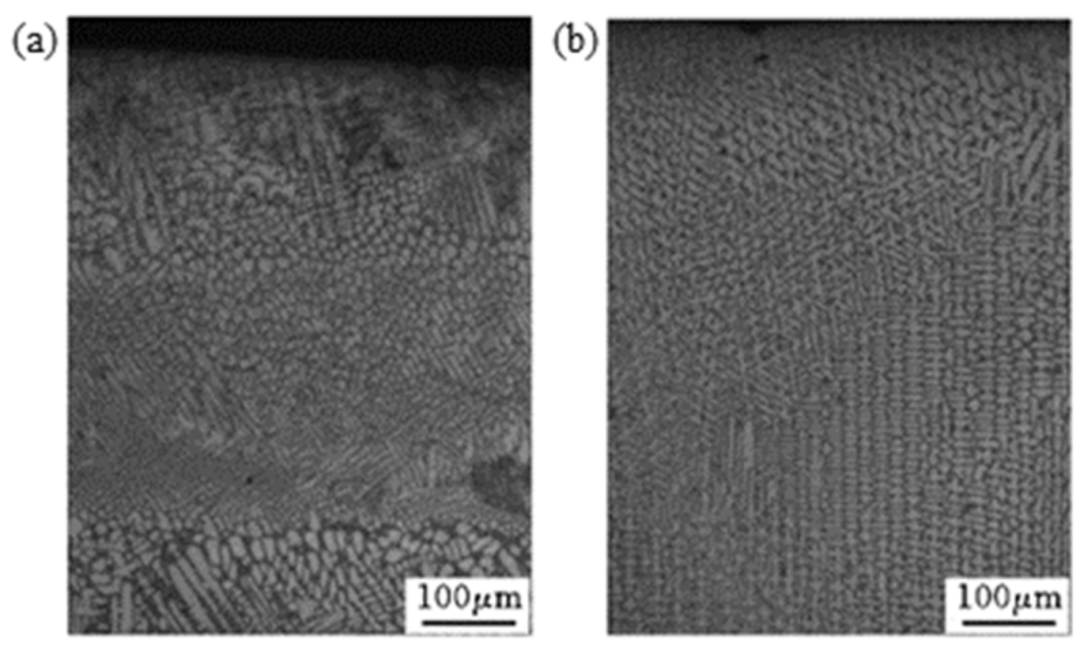
Ultrasound is relatively easy to integrate and often effective; electromagnetic fields offer more control dimensions but require specialized hardware; substrate cooling is simple but must be balanced against stress.
Temperature and stress evolution
Temperature field
The laser creates a transient high-temperature pool surrounded by a steep gradient. Each location experiences rapid heating and cooling. Later tracks and layers reheat already-solidified material, driving phase transformations, recovery, recrystallization, stress redistribution, and cumulative heat buildup.
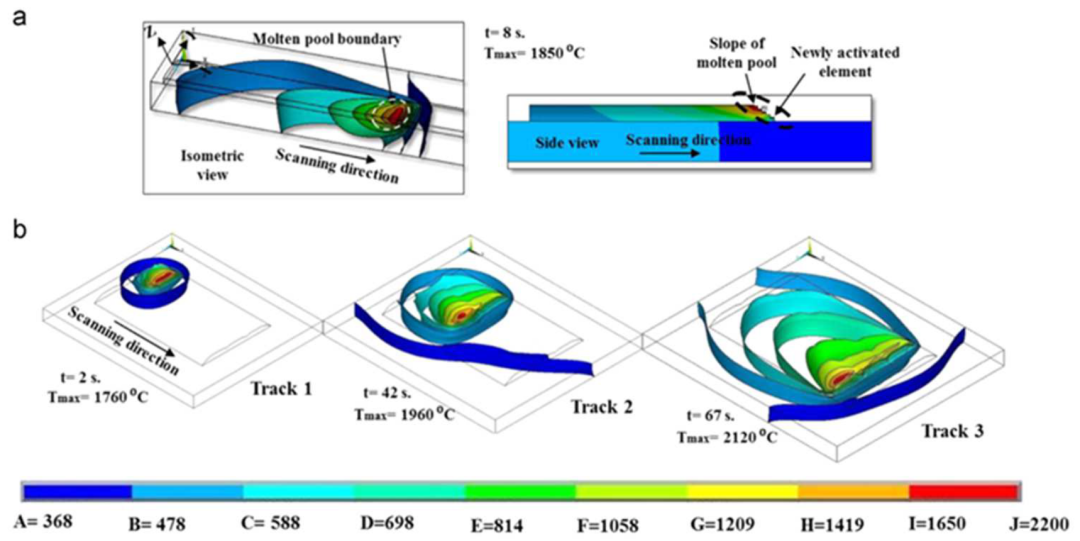
The temperature field controls pool size, solidification rate, and microstructure and is the primary source of thermal stress. Excessive accumulation distorts or cracks the component.
Stress field
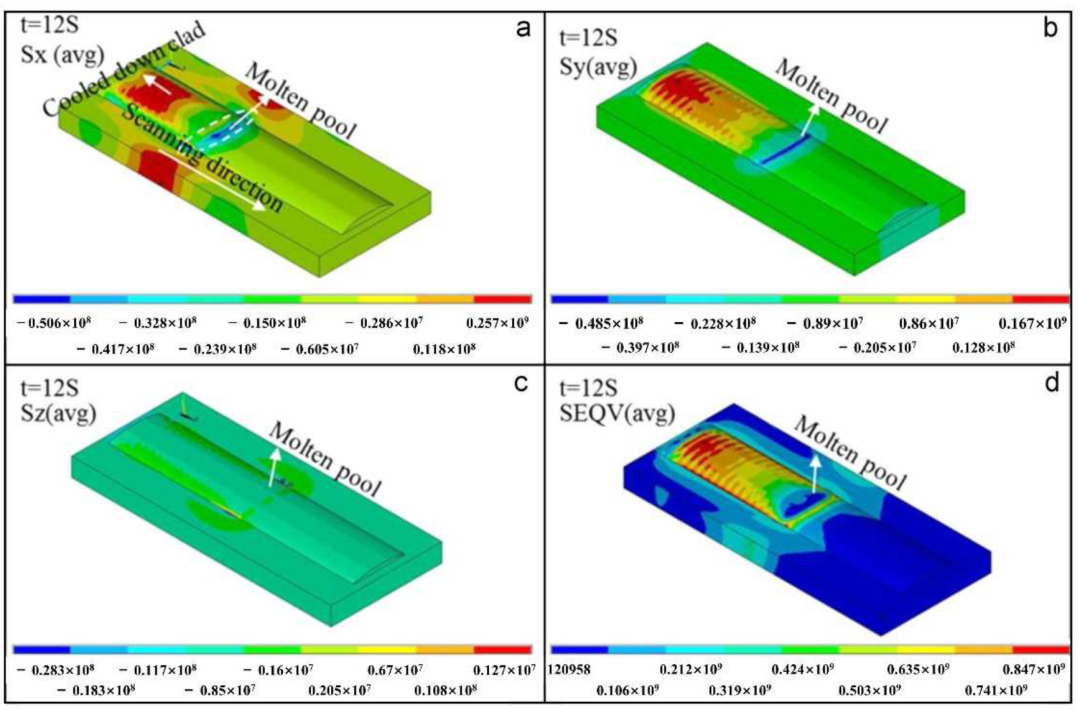
Thermal stress results from constrained nonuniform expansion and contraction. The solidifying deposit contracts against a colder substrate and develops tension, while the heated substrate may temporarily develop compression. Greater mismatch in thermal expansion and conductivity increases stress.
Transformation stress arises when martensite or another solid-state transformation changes specific volume during cooling or reheating.
The clad and interface zones are commonly tensile, while parts of the HAZ may become compressive because of plasticity or transformation. Tensile stress drives crack initiation and growth.
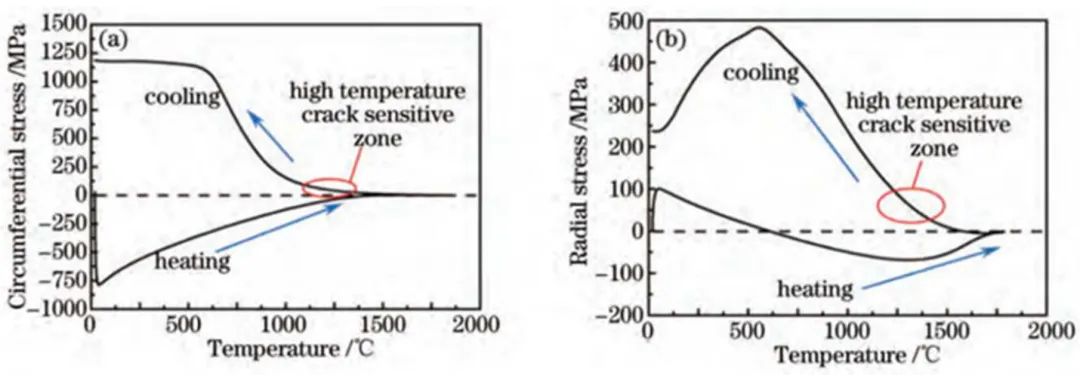
During heating, constrained expansion creates compression; high-temperature softening relaxes it; during solidification and cooling, constrained contraction changes the state to tension. Multilayer builds repeat this cycle.
Material expansion, modulus, and yield strength; component geometry; power, speed, overlap; scan strategy; and preheat all change the final stress. Controls include preheating, low-accumulation scan strategies, thermally compatible materials, and post-weld heat treatment.
Defect formation and suppression
Porosity
Pores originate from several routes:
- gas trapped inside atomized or hollow powder;
- gas generated by reactions, such as moisture with aluminum producing H₂, aluminum with oxides producing volatile Al₂O, or carbon and oxygen in steel producing CO;
- entrained shielding or carrier gas under unstable flow;
- gas rejected during solidification because solubility is much lower in solid metal;
- unsuitable parameters: low power causes lack of fusion, excessive power or feed destabilizes the pool, and excessive speed traps bubbles before escape.
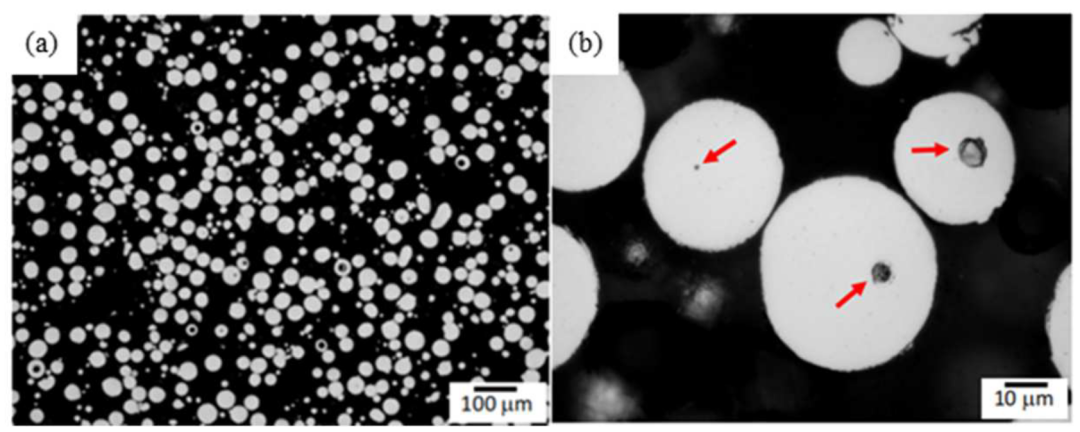
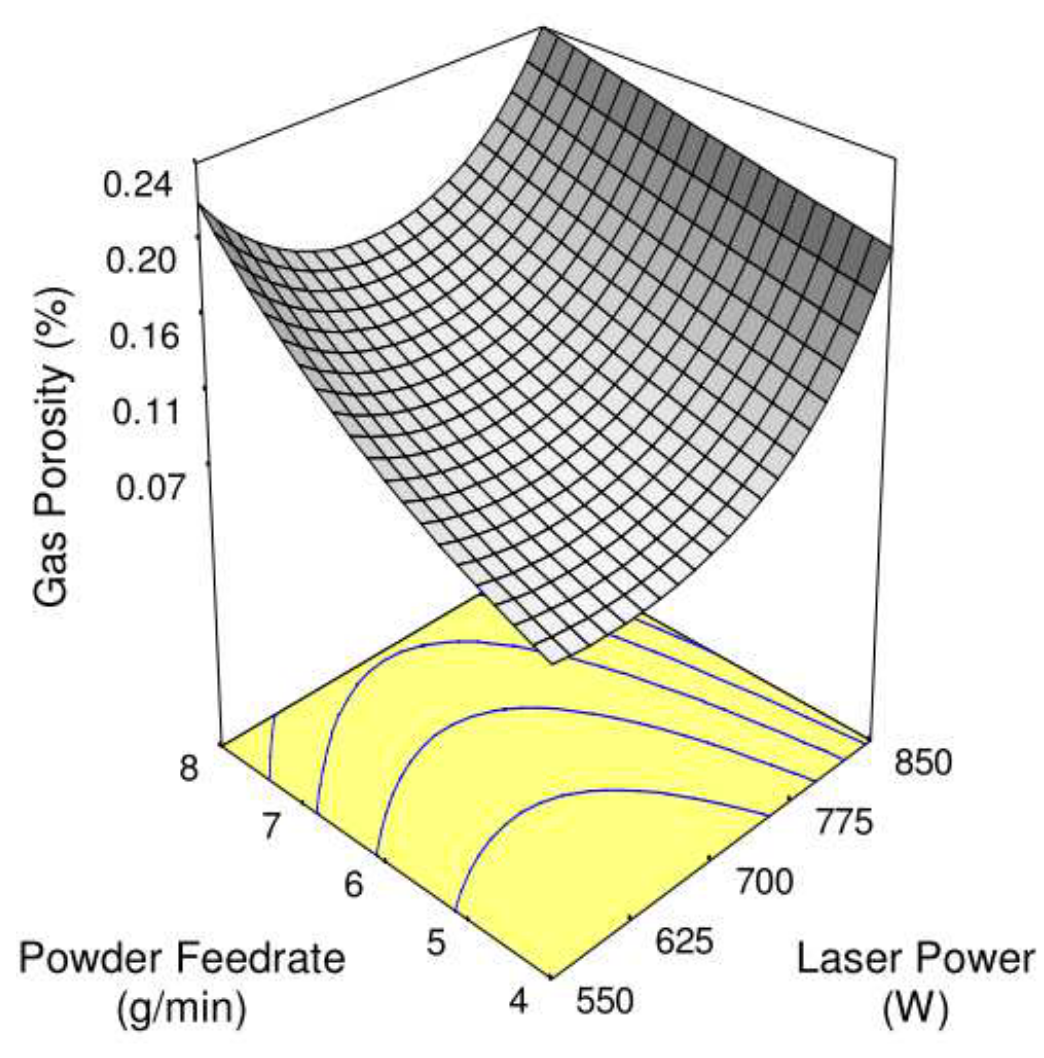
Suppression measures include high-sphericity low-porosity powder, drying, removal of oxide and moisture, chemistry that scavenges oxygen, coordinated power/speed/feed/overlap/gas settings, a remelting pass for near-surface pores and roughness, and ultrasound or electromagnetic stirring to assist bubble escape.
Cracking
Hot cracks form late in solidification when tensile shrinkage tears liquid films in the mushy zone. Risk rises with S, P, Si, B, and other low-melting segregants; coarse columnar boundaries; high strain rate; and crack-sensitive Ni superalloys, high-carbon steels, and aluminum alloys.
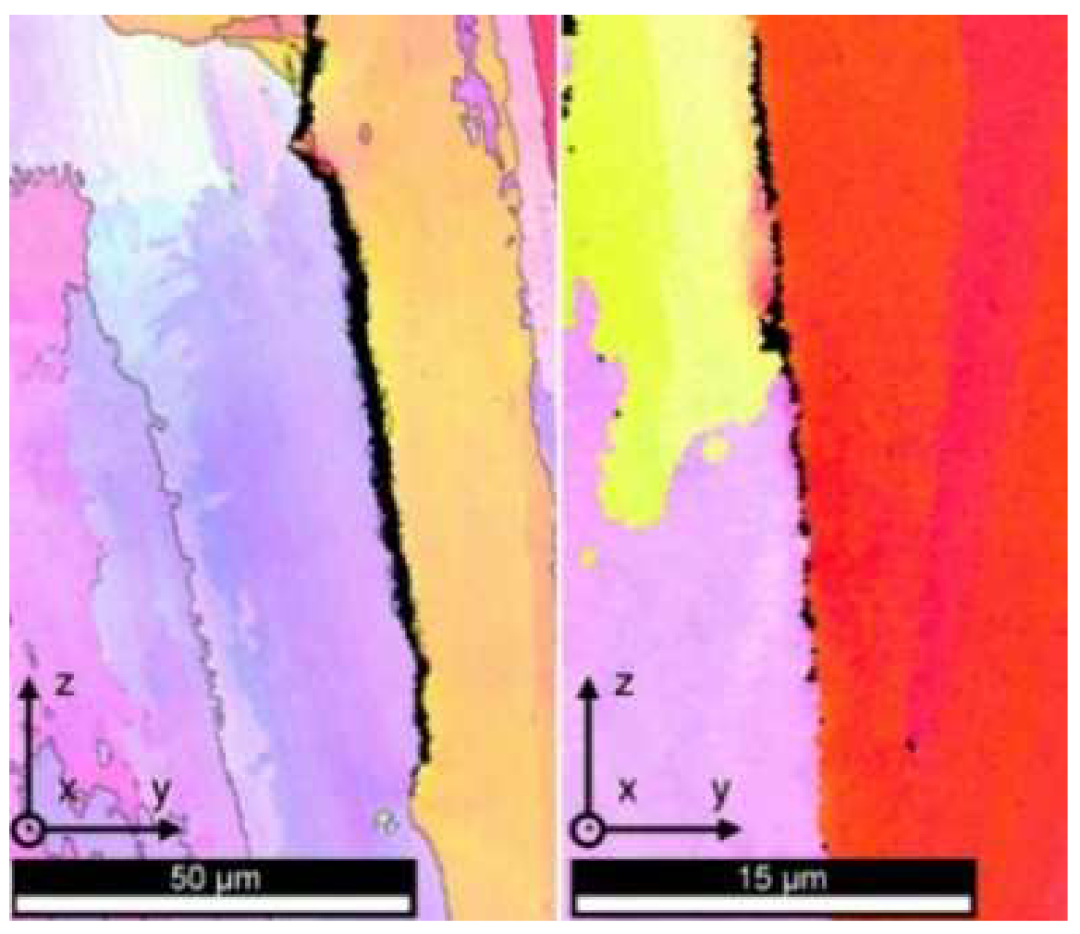
Cold cracks appear after cooling, commonly near the fusion line or HAZ. They result from residual tension above fracture strength, brittle martensite or another hardened phase, and hydrogen accumulation at stress concentrators.
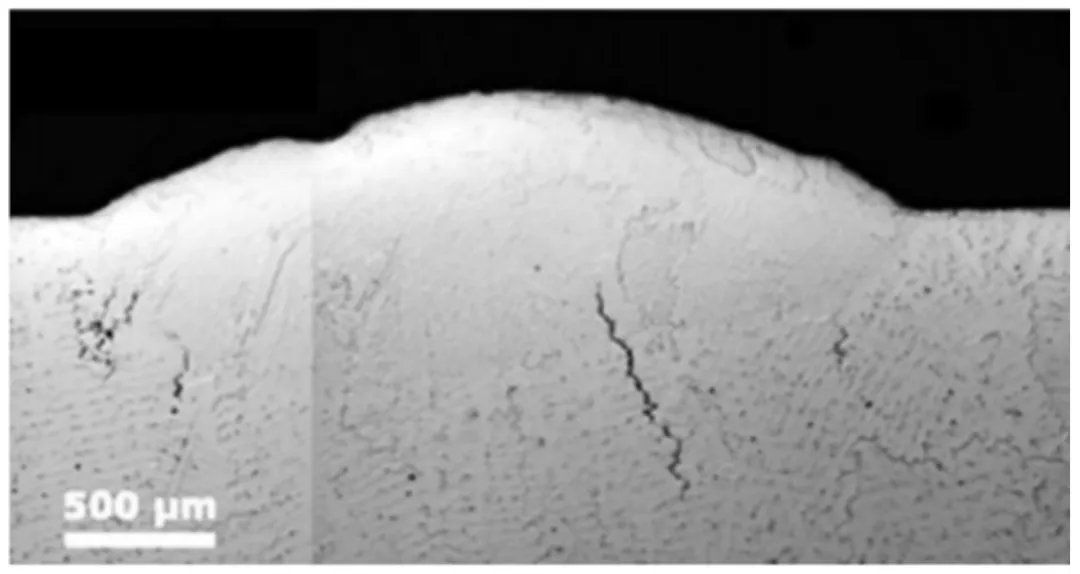
Cold-crack controls include preheat to slow cooling and reduce stress, controlled low heat input and narrower HAZ, and post-weld heat treatment to temper hard phases and relieve stress.
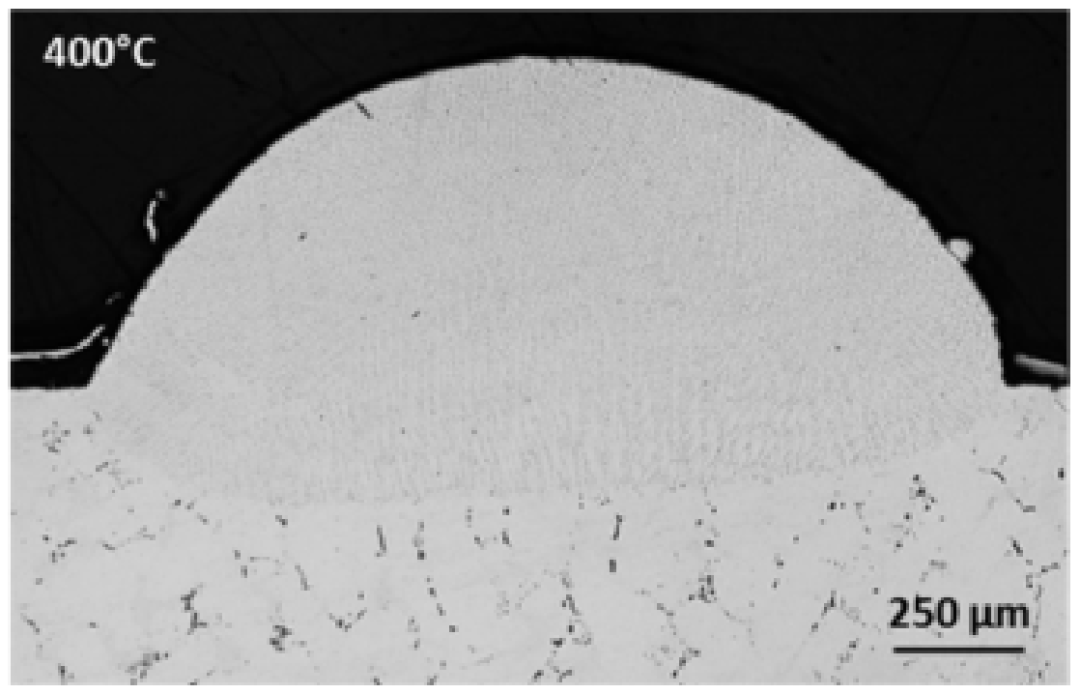
Hot-crack controls include grain refinement through lower power and faster travel, ultrasound or electromagnetic fields, and inoculants; high-purity chemistry with less S and P and avoidance of broad freezing ranges; and scan paths that reduce stress concentration.

Surface roughness is not an internal defect but affects fit, wear, and fatigue. Speed, overlap, machining, and polishing are the main controls. X-ray, ultrasonic, and penetrant nondestructive testing can evaluate internal and surface quality.
Powder selection for performance improvement
Self-fluxing alloy powders
Ni-, Fe-, and Co-based powders often contain Si and B, which deoxidize, form slag, improve wetting, and support dense smooth layers.
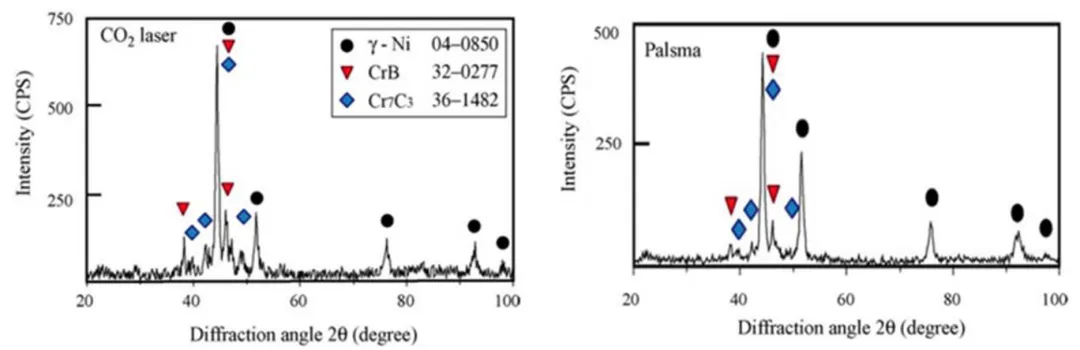
- Ni-based NiCrBSi, including Ni60, combines wear, corrosion, oxidation resistance, and toughness. Typical phases include a γ-Ni matrix, Cr₇C₃ and Cr₂₃C₆ carbides, and CrB and Ni₃B borides.
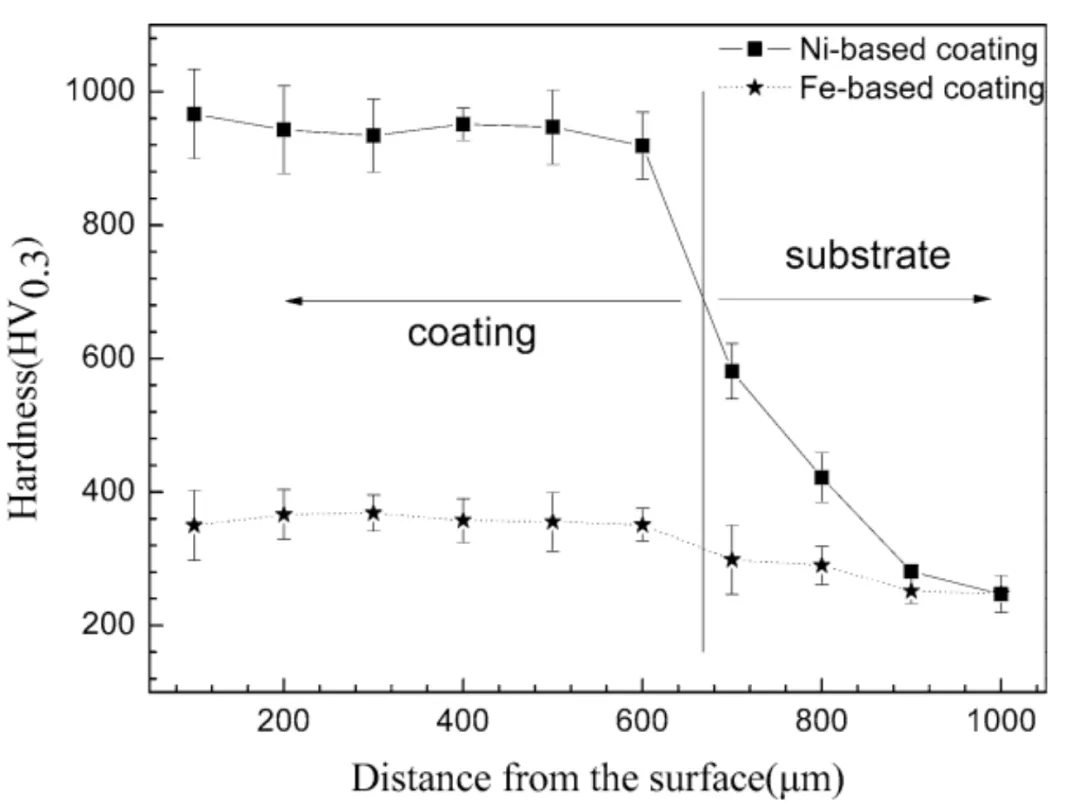
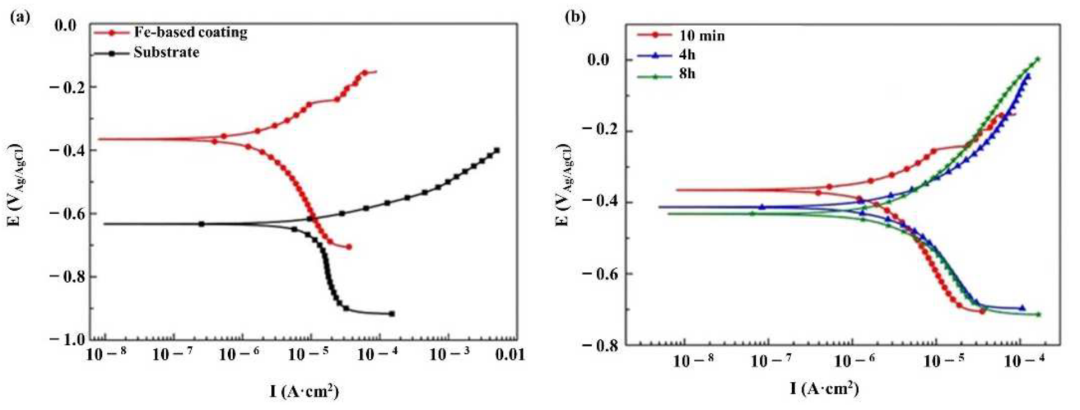
- Fe-based alloys are economical and compatible with steel. Cr, Mo, W, V, and C can form martensite and carbides for hardness and wear resistance, although corrosion and high-temperature performance are generally below Ni and Co systems.
- Co-based Stellite alloys retain hardness, wear, corrosion, and oxidation resistance at high temperature and are used for valves and turbine components.
- Cu-based alloys conduct heat and electricity and resist corrosion but are softer, less wear resistant, and difficult to couple with infrared lasers.
Metal–ceramic composite powders
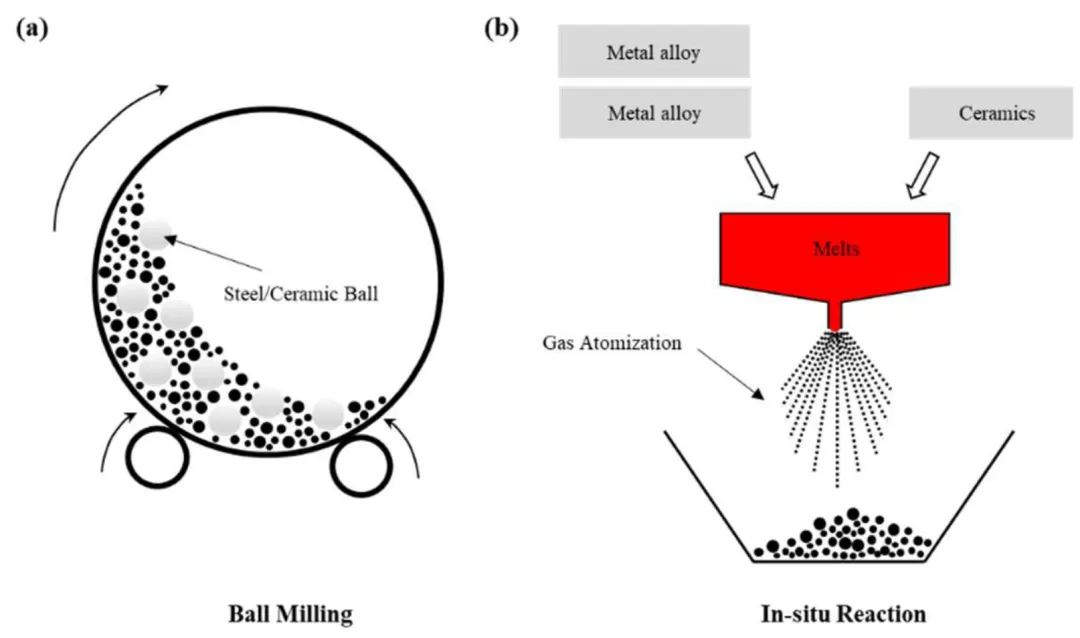
WC, TiC, Cr₃C₂, SiC, Al₂O₃, TiO₂, or ZrO₂ can be mixed into a Ni-, Co-, or Fe-based alloy. Ball milling provides mechanical blending, while in-situ reactions such as Fe–Ti–C generate ceramic phases during powder preparation or cladding.
The metal matrix supplies toughness and the ceramic phase supplies hardness and erosion or cavitation resistance. Challenges include poor wetting, interface weakness, thermal-expansion mismatch, cracking, particle pullout, dissolution or coarsening, and difficult finish machining.
Rare-earth alloy powders
Small additions of La, Ce, Y, La₂O₃, CeO₂, or Y₂O₃ provide heterogeneous nuclei, pin grain boundaries, bind S and O into stable compounds, modify inclusions, and change surface activity and flow. Correct dosing refines grains, raises density, reduces cracking, and improves toughness and wear. Excess produces brittle phases and property loss.
Functionally graded materials
An FGM changes composition and structure continuously or stepwise through thickness. It smooths differences in expansion, modulus, and chemistry and reduces interface stress, cracking, and delamination. A Ni-based transition layer between a Cu substrate and a Co-based wear layer is one representative design. Layerwise feed control can provide a tough interior and wear-resistant surface within one component.
Engineering directions
- Closed-loop control: many systems still lack real-time sensing and feedback capable of correcting an unstable pool or layer during deposition.
- New materials: high-entropy alloys, metallic glasses, and advanced ceramic composites are needed for extreme heat, corrosion, and multiaxial loading.
- Deeper use of FGMs: graded interfaces are promising for dissimilar materials and extreme-environment protection.
- Integrated material–process–structure–property design: begin with target performance, design composition and microstructure, and then manufacture them through a controlled laser process rather than selecting material and process independently.
Reference
- Cheng, J.; Xing, Y.; Dong, E.; Zhao, L.; Liu, H.; Chang, T.; Chen, M.; Wang, J.; Lu, J.; Wan, J. “An Overview of Laser Metal Deposition for Cladding: Defect Formation Mechanisms, Defect Suppression Methods and Performance Improvements of Laser-Cladded Layers.” Materials 15 (2022), 5522. DOI: 10.3390/ma15165522.
The original Chinese edition was published by “Laser Insights” in Chongqing on May 3, 2025. View the original post. This page preserves the complete technical content, parameters, figures, conclusions, and reference.