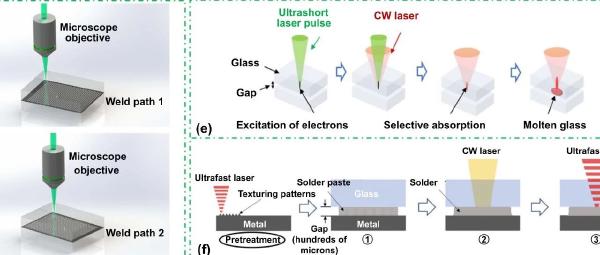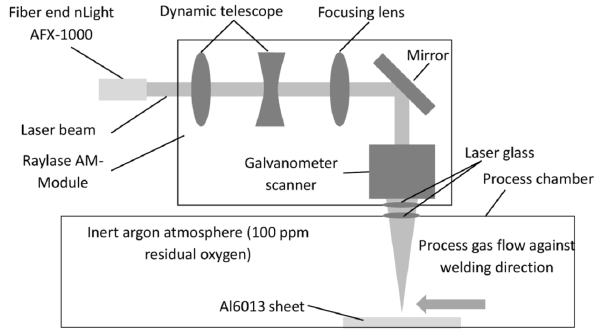
Aluminum welding is governed by a difficult combination of high thermal conductivity, a refractory oxide film, low room-temperature absorptance, hydrogen sensitivity, and alloy-dependent softening. This article connects those material properties to laser beam welding, laser–arc hybrid welding, cracking, porosity, weld shape, and mechanical performance.
Aluminum alloys Laser beam welding Laser–arc hybrid welding Defects and properties
Application background
Aluminum alloys combine a high strength-to-weight ratio, corrosion resistance, thermal and electrical conductivity, and recyclability. They are widely used in aerospace, road and rail vehicles, ships, electronics, and energy storage.
- Automotive: aluminum bodies, chassis members, and battery enclosures reduce mass and improve fuel economy or electric range.
- Aerospace: high-strength 2xxx and 7xxx alloys are central structural materials, and joining determines whether complex assemblies can be realized safely.
- Marine structures: 5xxx alloys offer seawater corrosion resistance and comparatively good weldability.
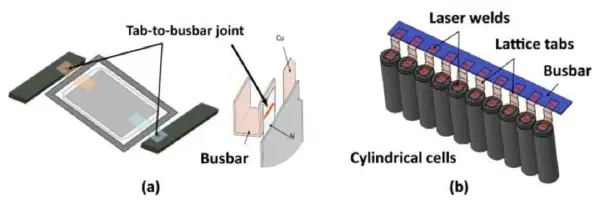
- Electronics and batteries: low density and high conductivity make aluminum attractive for housings, busbars, and current-carrying structures.
The joining methods each solve a different part of the problem:
- GMAW/MIG is mature and economical but introduces high heat input, distortion, and broad softened zones, especially in thick multipass joints.
- Friction stir welding avoids fusion defects and can produce strong joints, but equipment, access, path geometry, exit holes, and shoulder marks impose constraints.
- Laser beam welding offers high speed, low heat input, narrow welds, and small distortion, but is sensitive to gap and keyhole stability.
- Laser–arc hybrid welding combines concentrated laser penetration with arc heating and filler addition, increasing productivity and tolerance.
Mature and economical, but with higher heat input and distortion.
Fast and low-heat, but sensitive to fit-up and keyhole defects.
Combines penetration, filler control, and gap bridging.
Strong solid-state joints, with equipment and trajectory limits.
Aluminum properties and their welding consequences
Thermophysical properties
Thermal conductivity: aluminum conducts heat much more rapidly than steel, although conductivity falls as temperature rises. Energy leaves the interaction zone quickly, so sufficient line energy or power density is required to establish and maintain a melt pool.
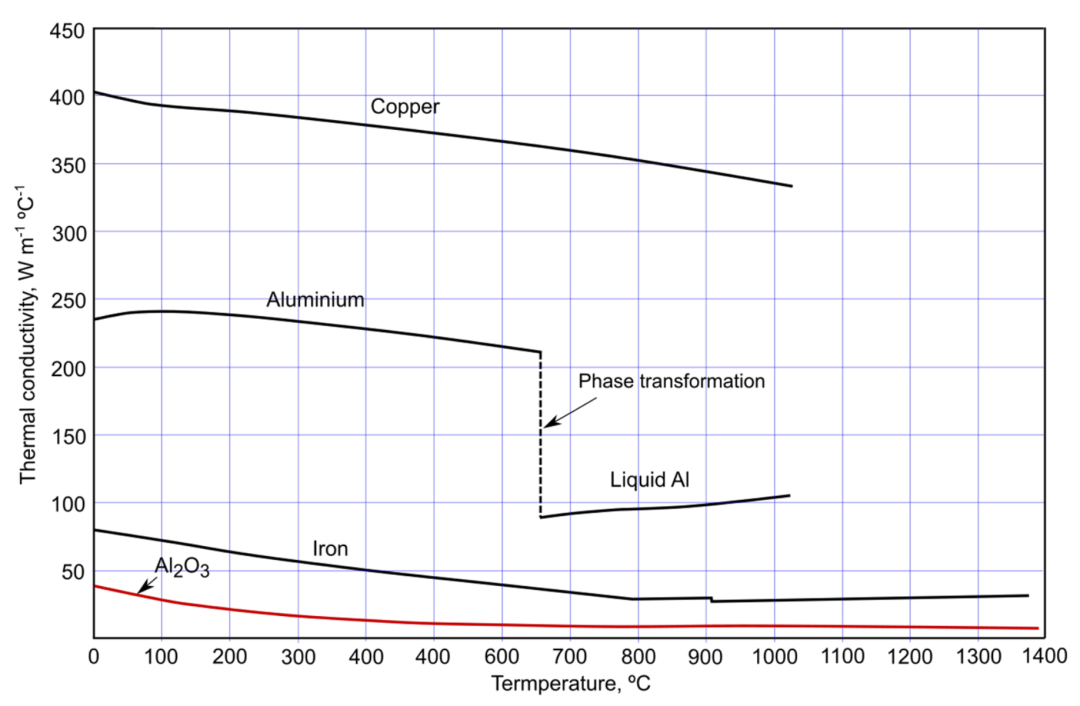
Melting behavior: aluminum melts near 660 °C, but its native Al₂O₃ film melts near 2050 °C. The oxide should therefore be removed before welding; otherwise fragments may enter the pool, inhibit fusion, and become inclusions.
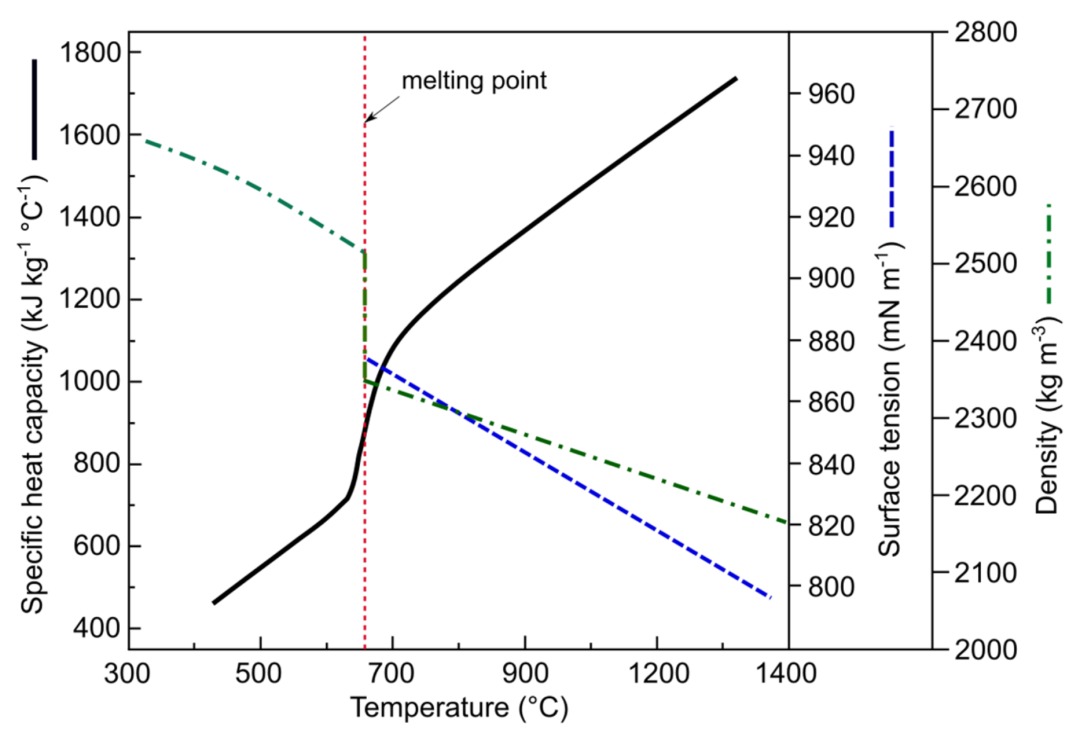
Heat capacity, density, and surface tension: these quantities change strongly around the melting range. Low surface tension gives liquid aluminum high mobility, but also increases the risk of underfill, sagging, and humping.
Thermal expansion: aluminum expands approximately twice as much as steel and contracts strongly during solidification, increasing distortion and residual stress.
These properties lead directly to process requirements: adequate power and focus control, rigorous oxide removal and shielding, and explicit management of distortion and stress.
Laser absorptance
Aluminum absorptance depends strongly on wavelength:
- below 10% at room temperature for a 10.6 µm CO₂ laser;
- approximately 20–30% around 1 µm for fiber and disk lasers;
- approximately 60–70% near 450 nm for blue lasers.
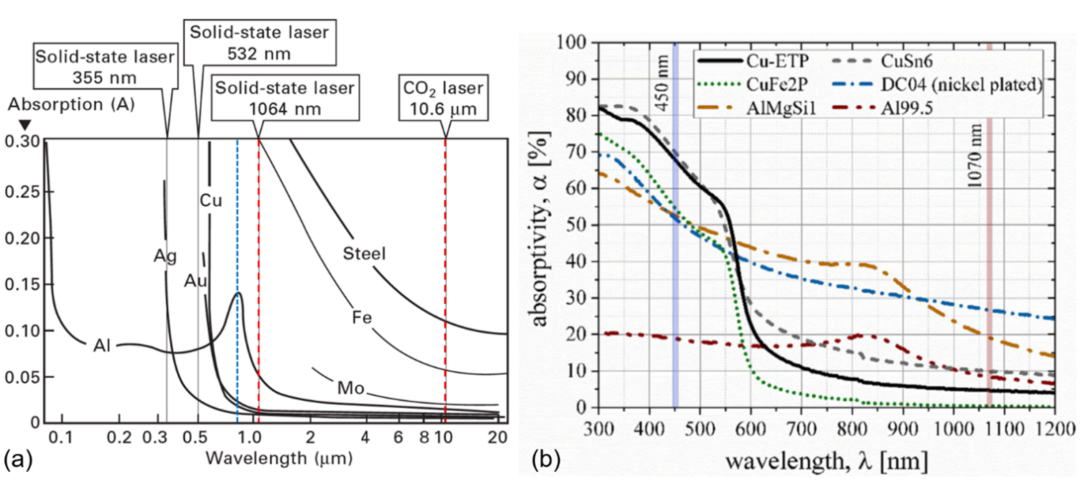
Absorptance rises with temperature. Once a keyhole forms, multiple reflections inside the cavity can raise effective absorption to 80–90%. This explains why early CO₂ welding of aluminum was difficult, why near-infrared fiber lasers became dominant, and why blue lasers are attractive for thin high-reflectivity parts such as battery tabs.
Hydrogen solubility
Hydrogen is far more soluble in liquid aluminum than in solid aluminum, and solubility increases with temperature. During solidification the allowable concentration falls abruptly, leaving supersaturated hydrogen to nucleate pores.
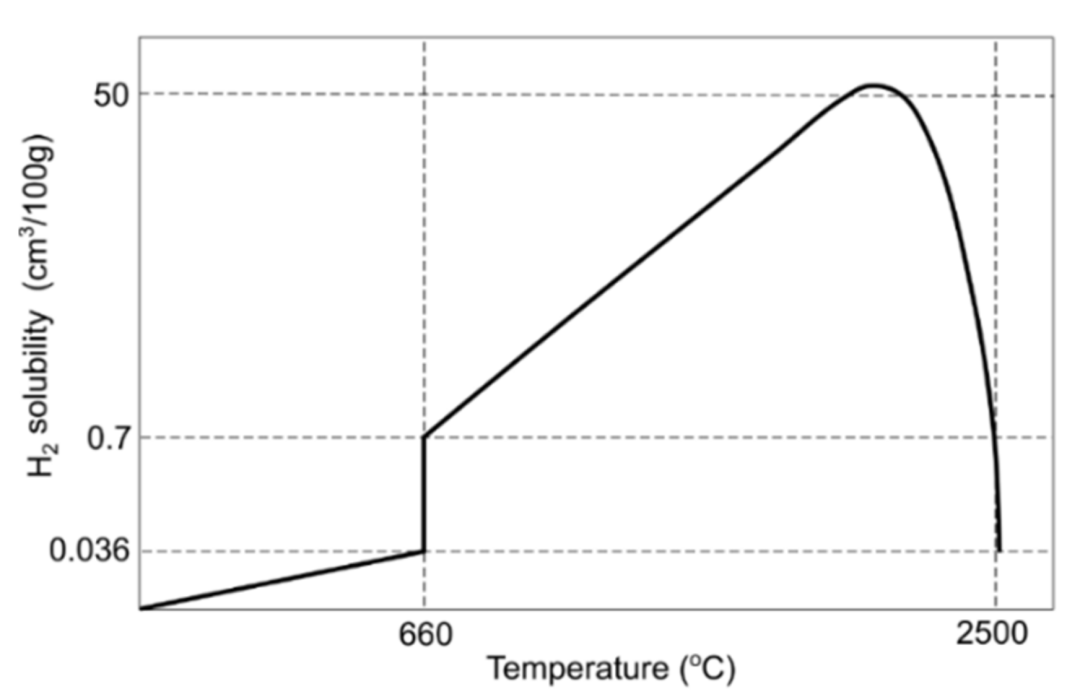
Porosity prevention therefore requires control of hydrogen from the base metal, filler wire, shielding gas, surface moisture, and workshop atmosphere, together with a melt-pool lifetime that allows bubbles to escape.
Alloy families
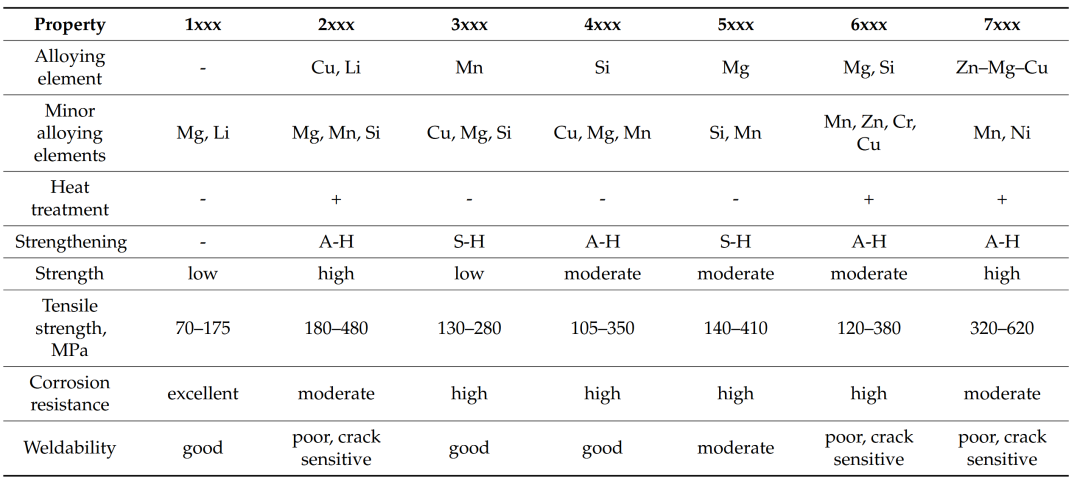
Work-hardened, non-heat-treatable alloys: 1xxx, 3xxx, and 5xxx gain strength from cold deformation. Welding causes recovery and recrystallization in the heat-affected zone, reducing strength.
Heat-treatable alloys: 2xxx, 6xxx, and 7xxx gain strength through solution treatment and precipitation; 4xxx Al–Si is widely used as filler. Welding dissolves or coarsens strengthening precipitates in the HAZ and may produce severe softening.
Filler wire modifies composition and crack sensitivity. Common choices include ER4043 (Al–5Si) and ER5356 (Al–5Mg).
In broad terms, 5xxx alloys are relatively weldable but high Mg may evaporate; 6xxx alloys weld readily but soften strongly; 2xxx and 7xxx alloys offer high strength but are much more sensitive to hot cracking and pores.
Comparison of welding methods
| Method | Main advantages | Main limitations |
|---|---|---|
| MIG / TIG | Low cost and mature practice | High heat input, lower speed, and distortion |
| LBW | High speed and small heat input | Gap sensitivity, pores, and hot cracks |
| LAHW | Deep penetration, filler control, and good gap bridging | More complex coupling and parameter matching |
| FSW | Solid-state joint with strong properties | Tooling, force, access, and path constraints |
Laser-source comparison
- CO₂: 10.6 µm wavelength and low aluminum absorptance; now less common.
- Nd:YAG: 1.064 µm, but with relatively low electrical efficiency and significant maintenance.
- Fiber laser: approximately 1.03–1.07 µm, 30–40% electrical efficiency, high beam quality, and flexible fiber delivery; currently the industrial mainstay.
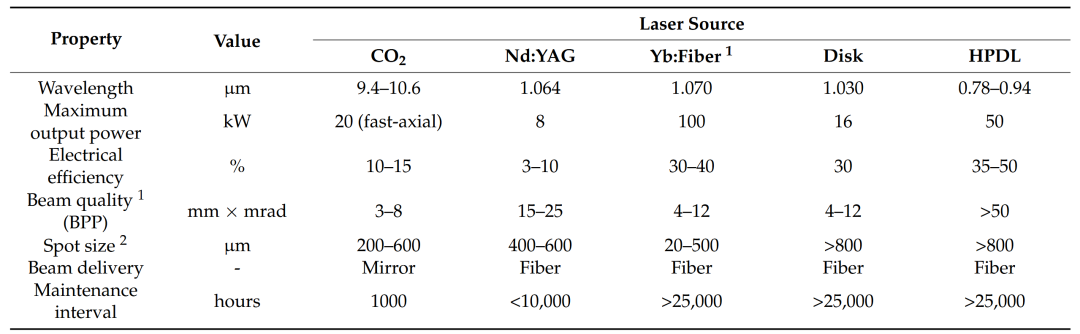
The beam parameter product (BPP) measures focusability. A smaller BPP means a smaller focus or a longer depth of focus for the same spot size, both important for penetration and keyhole stability.
Physical processes in laser beam welding
Laser–material interaction
In conduction mode, power density is commonly below \(10^5\ \mathrm{W/cm^2}\). The surface melts without substantial vaporization, creating a shallow, wide pool suited to thin sheets and surface treatment.
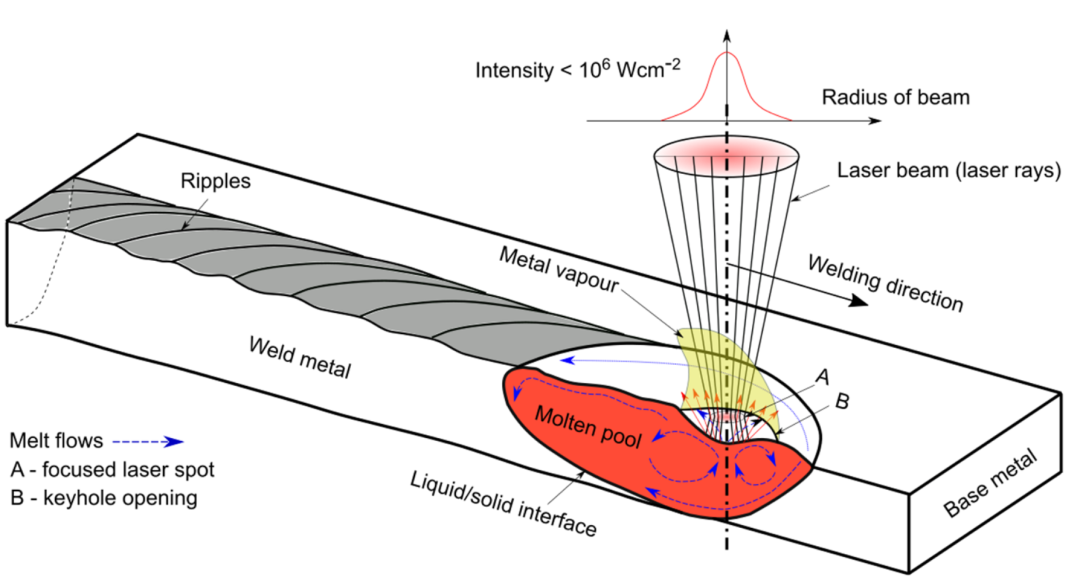
In keyhole mode, power density commonly exceeds \(10^6\ \mathrm{W/cm^2}\). Rapid vaporization generates recoil pressure that displaces liquid and opens a vapor cavity. Multiple internal reflections increase absorption and enable deep penetration.
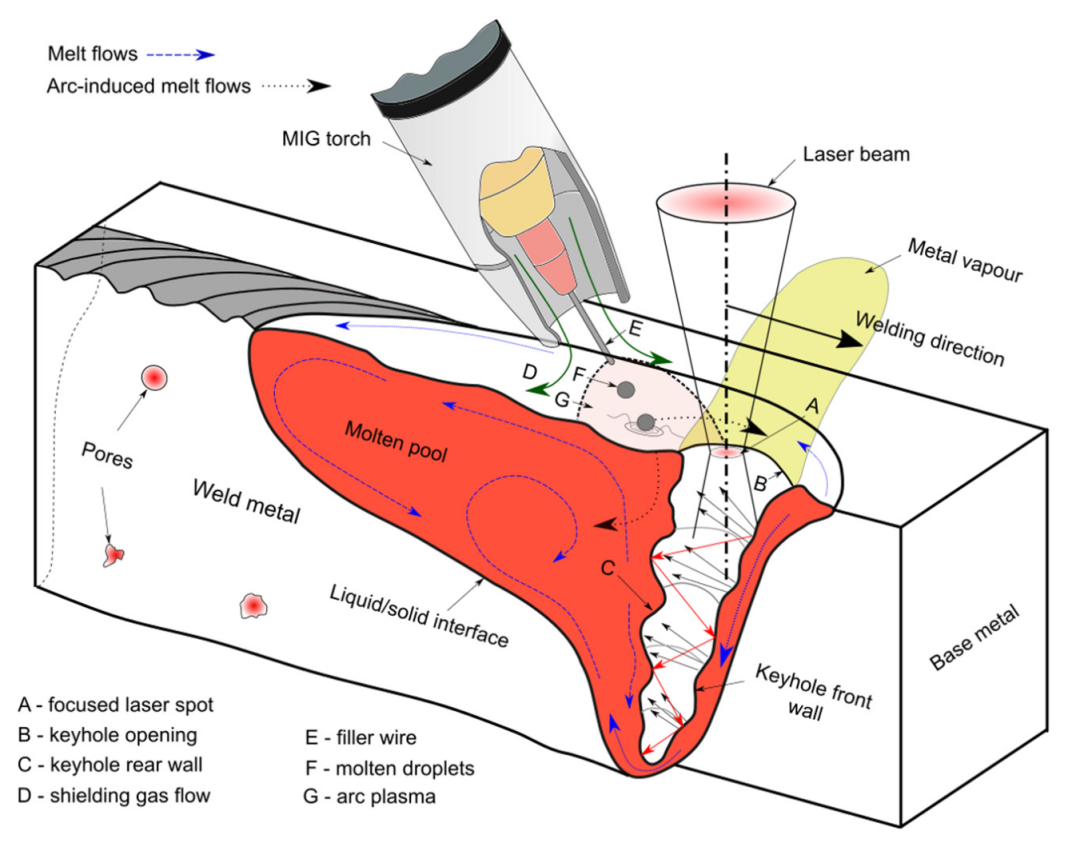
The keyhole remains open only while vapor recoil balances surface tension, hydrostatic pressure, and dynamic liquid forces. Marangoni flow, recoil pressure, gravity, and keyhole geometry then control heat and mass transport, bubble motion, and final weld shape.
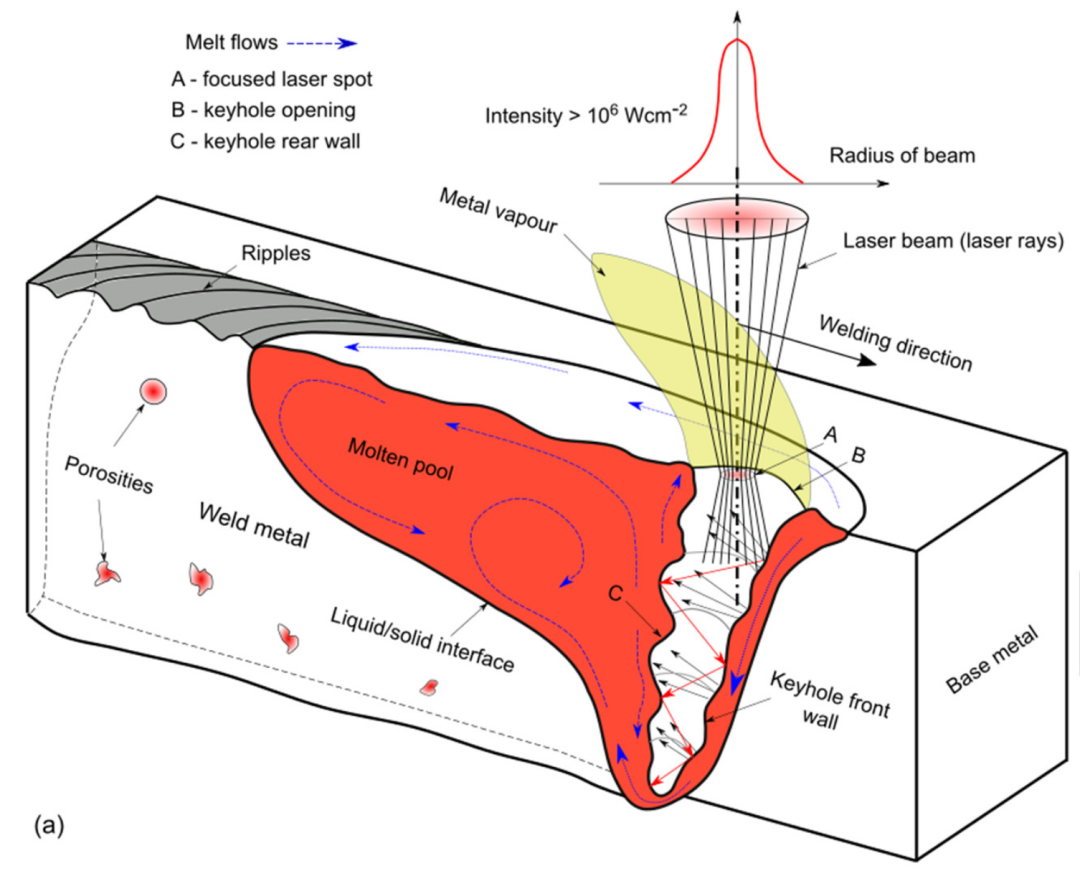
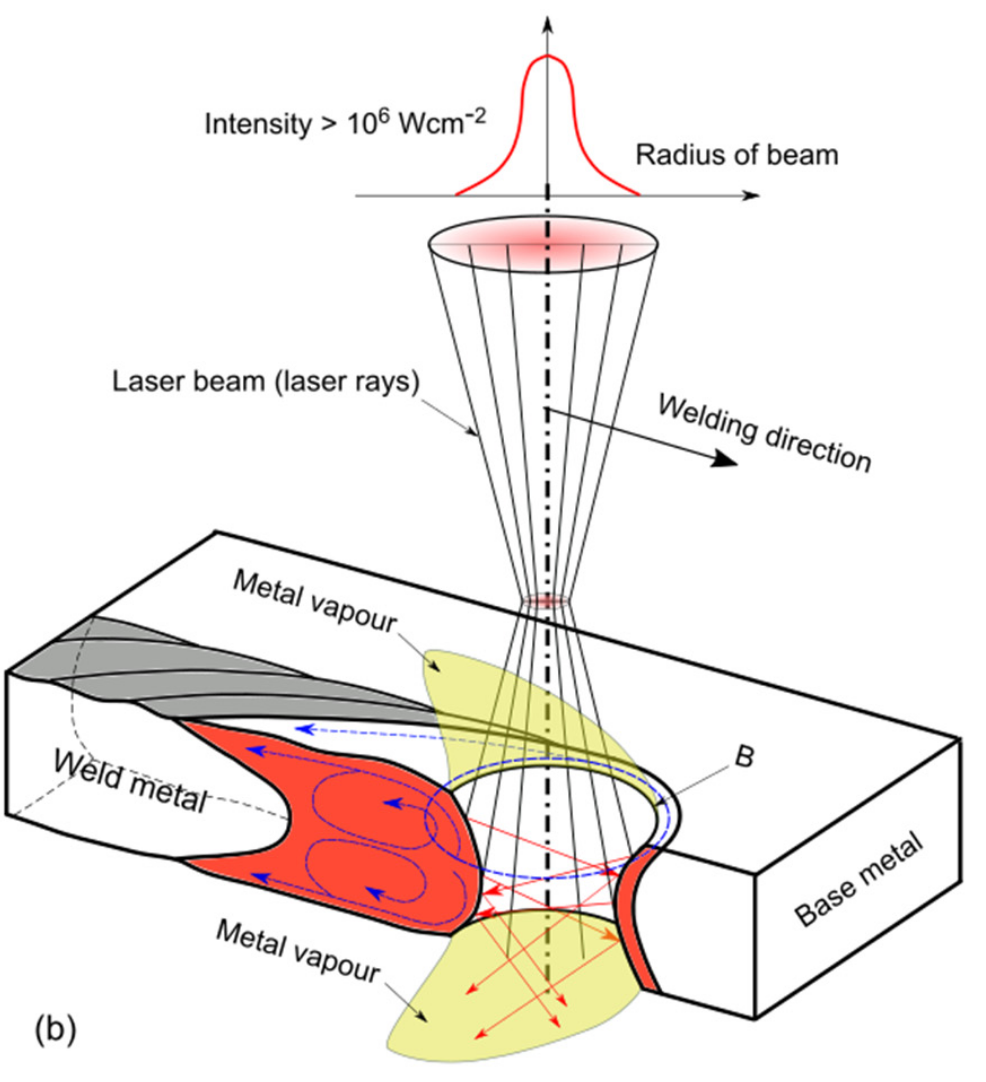
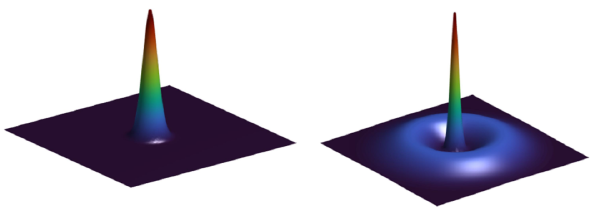
Gaussian beams are common, but flat-top, annular, and more advanced profiles can stabilize the cavity, reduce spatter, and reshape the pool.
Metal-vapor plume and plasma
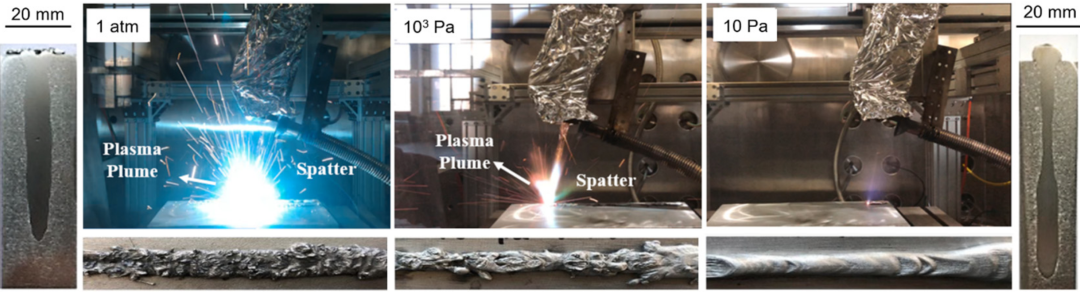
Hot metal vapor and partly ionized gas emerging from the keyhole form a plume.
- Shielding and scattering: the plume removes energy from the incoming beam. Plasma absorption is especially important for CO₂ lasers; near-infrared fiber lasers are less affected by ionized absorption, although vapor particles still scatter light.
- Focus shift: refractive-index gradients in the plume can displace or distort the focus.
- Control: a lateral jet of Ar, He, or a mixture removes the plume. Helium has high ionization energy and low density and is effective but expensive; argon is economical but can sustain a denser vapor column.
Gas composition, flow, nozzle angle, and standoff distance are critical in high-power welding.
Laser–arc hybrid welding
LAHW aims for a genuine synergy rather than simply adding two heat inputs.
Roles and advantages
- The laser supplies concentrated energy, opens the keyhole, produces depth, and can stabilize the arc.
- The arc supplies additional heat and filler metal, broadens the pool, bridges gaps, and—depending on polarity—can clean the oxide film cathodically.
- Together they can increase speed and penetration, improve gap tolerance and metallurgical control, and limit distortion relative to arc welding alone.
Hybrid configurations
With the arc leading, the arc preheats the surface and raises laser absorptance, which can increase penetration.
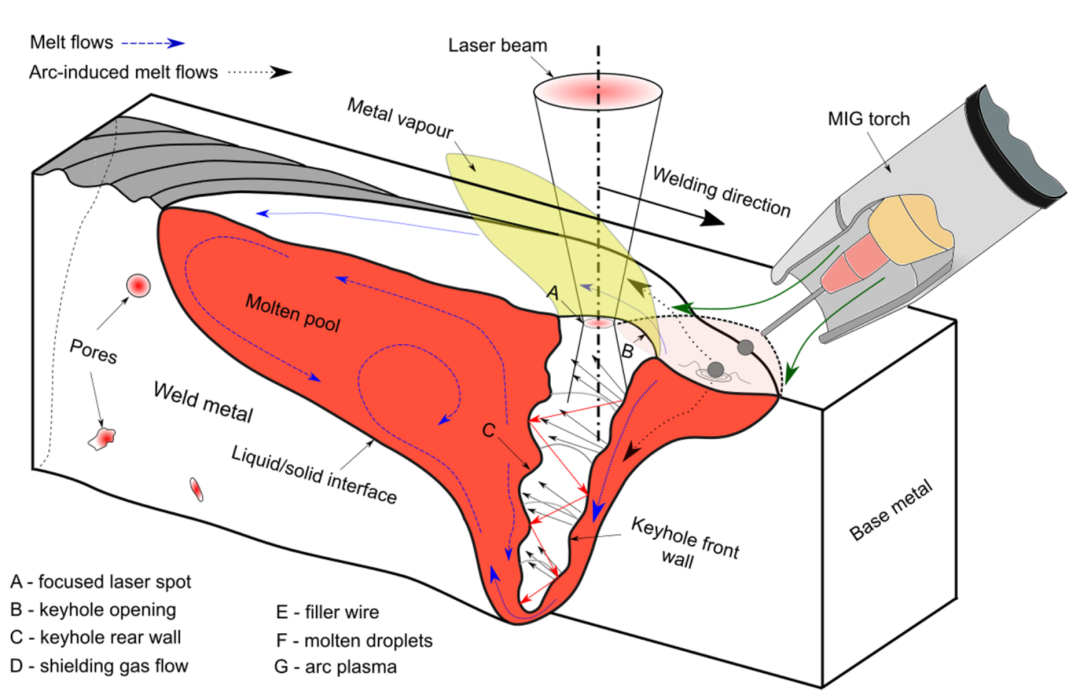
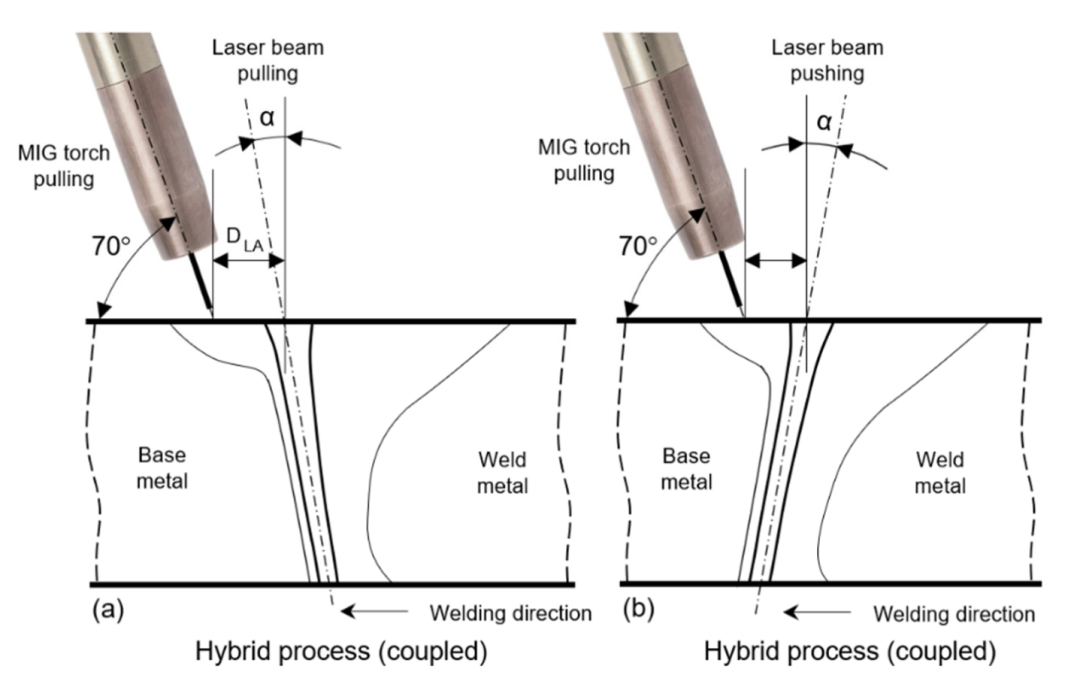
With the laser leading, the laser opens the cavity and the trailing arc fills and shapes the bead. This is common when gap bridging and surface finish are priorities.
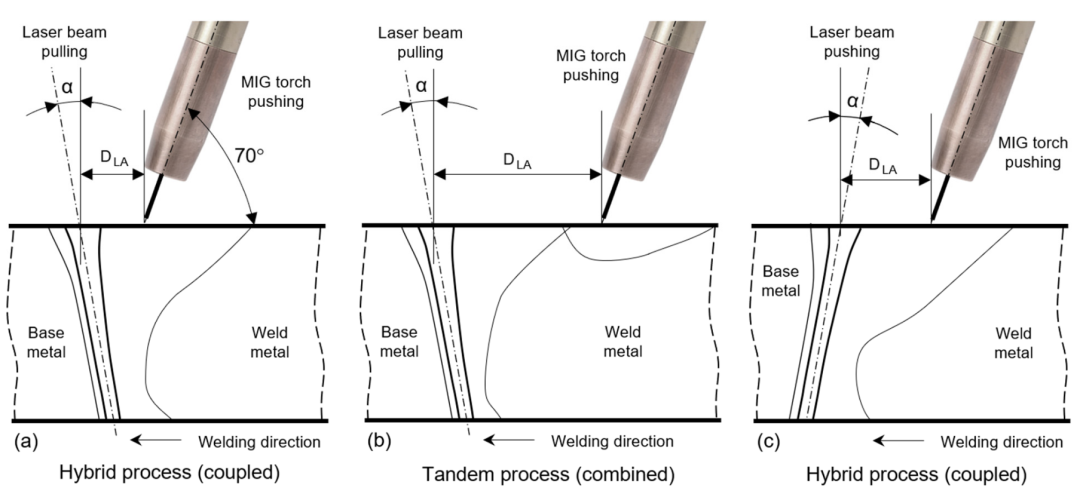
At a close separation such as 2–5 mm, the laser plume and arc plasma interact strongly. Above roughly 8 mm, the sources act more like two sequential independent heat inputs. MIG is most common because it feeds wire automatically; TIG is used when precise low-deposition control is required.
The archived Chinese source ends one practical sentence after “depends on the specific application.” The missing continuation has not been invented in this edition.
Laser–arc interaction
Laser-generated vapor can provide an electrically conductive path, stabilize the arc, lower arc voltage, and increase current. The arc plasma can also attenuate or deflect part of the laser beam. At the correct spacing, the interaction improves energy utilization and penetration.
Concentrates energy and produces a conductive vapor channel.
Bridges gaps, adjusts chemistry, and extends pool lifetime.
Improves speed, depth, shape, and process tolerance.
Solidification and hot cracking
Solidification structure
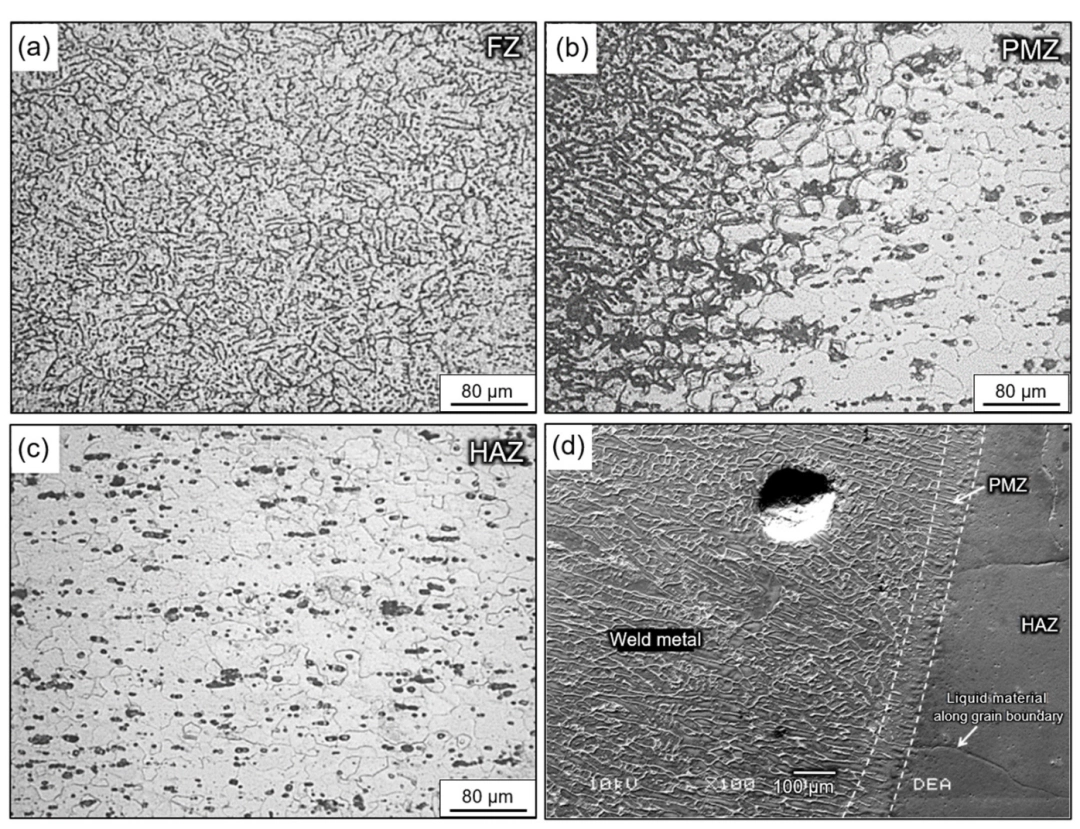
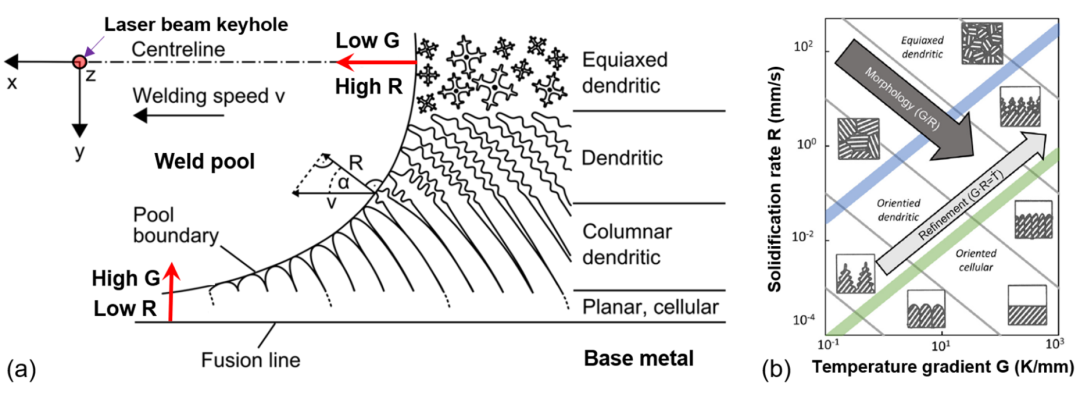
Weld metal contains columnar and equiaxed grains. The ratio \(G/R\), where \(G\) is temperature gradient and \(R\) is front velocity, governs morphology: high values favor planar or cellular growth; lower values favor dendrites and ultimately equiaxed grains. Rapid cooling refines grains and secondary dendrite-arm spacing, but may also increase stress.
Hot cracking
Near the end of solidification, a coherent solid skeleton coexists with thin grain-boundary liquid films. Cracks form when shrinkage strain exceeds the load-bearing and feeding capacity of that remaining liquid.
Major variables include alloy chemistry, the width of the freezing range, mechanical restraint, and weld shape. Deep narrow beads concentrate segregation and are particularly sensitive.
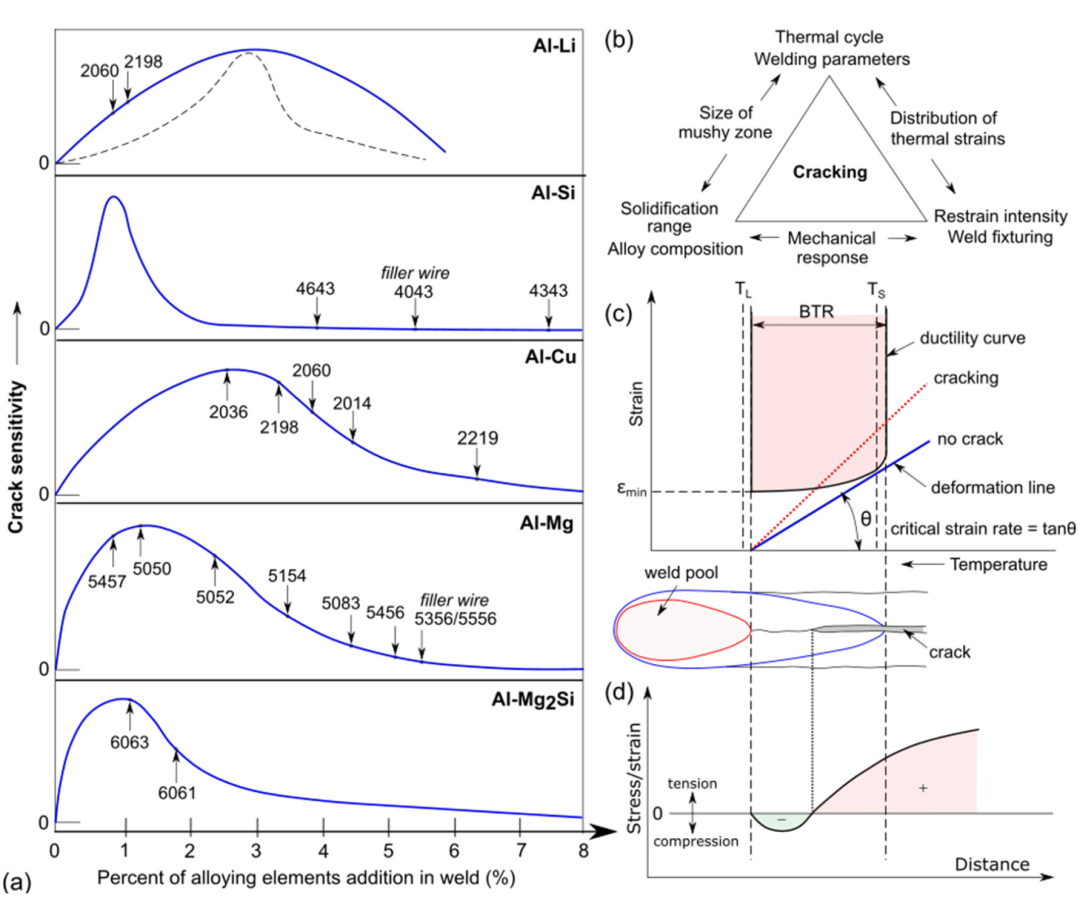
Control methods include:
- selecting filler that moves composition away from a crack-sensitive range, such as Al–Si 4043 for many 6xxx joints;
- adding Ti, Zr, Sc, or another grain refiner through the filler to promote equiaxed nucleation;
- lowering heat input and controlling bead geometry with pulsing or beam oscillation;
- using preheat or compressive preloading where appropriate to reduce tensile restraint.
Porosity formation and control
Types and sources
- Hydrogen pores: caused by the abrupt drop in hydrogen solubility during solidification.
- Keyhole-collapse pores: produced when an unstable cavity closes around metal vapor or shielding gas. They are often larger and irregular and are common in partial-penetration LBW and LAHW.
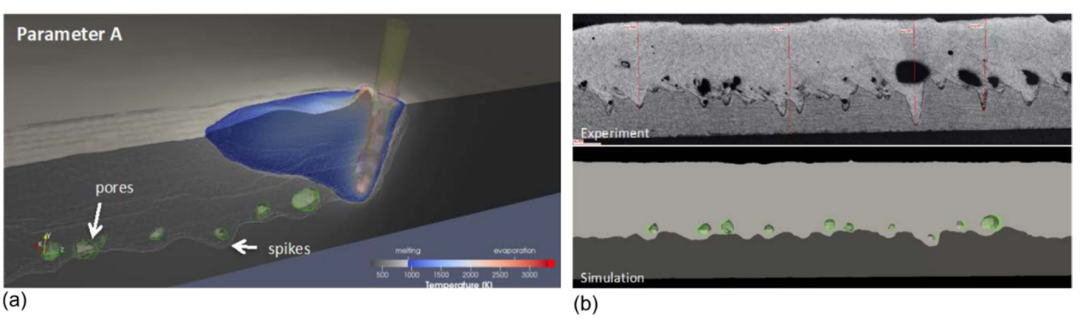
In conduction-mode LBW the pool is comparatively stable and gas can escape. In keyhole mode, cavity stability and pool lifetime are decisive. Mg and Zn evaporation may intensify fluctuation.
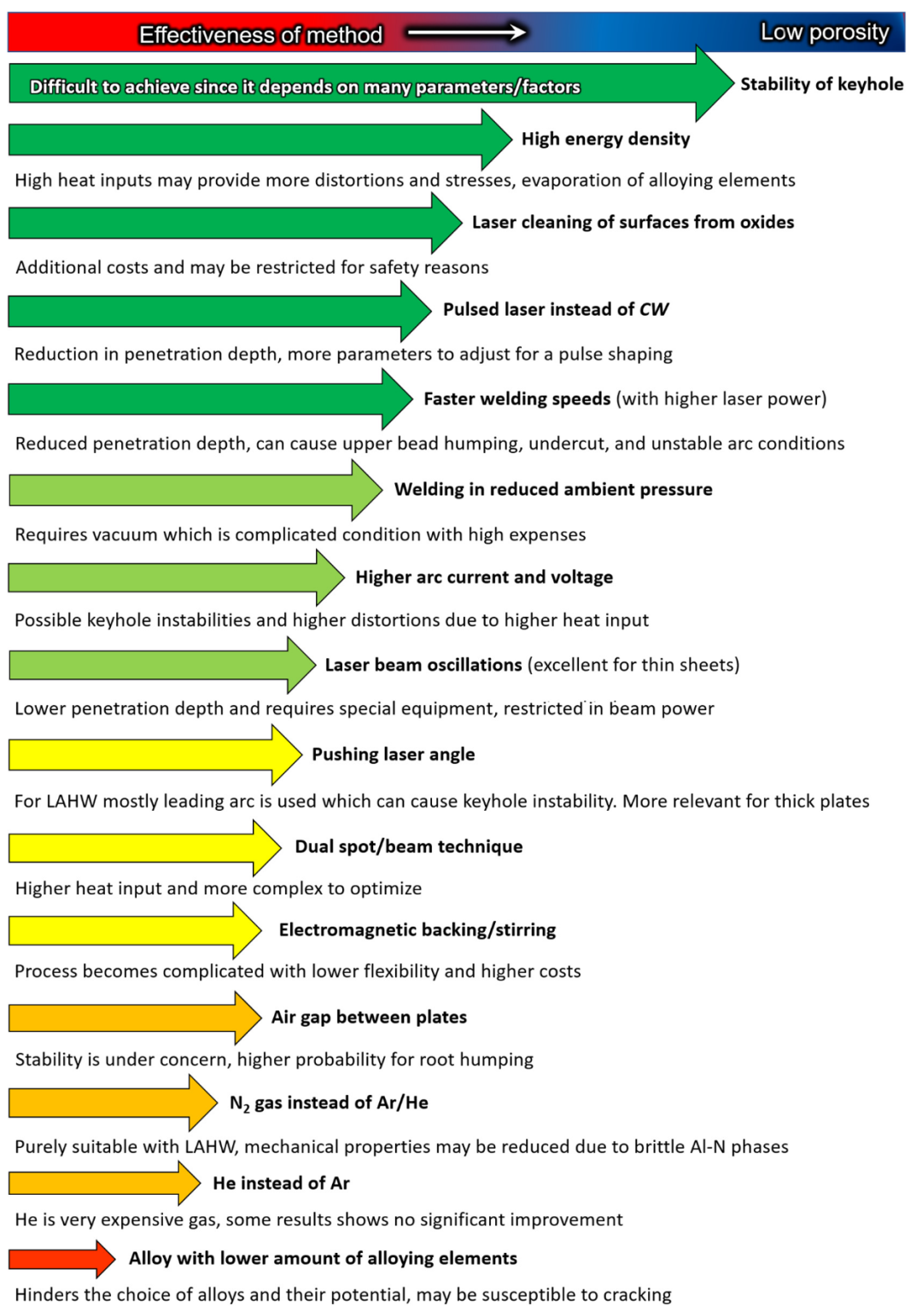
Practical measures include optimizing power, speed, and focal position; using pulsed or circular and figure-eight oscillation; applying dual-spot beams; and, for specialized systems, welding under reduced pressure. Vacuum or low pressure suppresses the plume, stabilizes the keyhole, and increases penetration, but adds equipment complexity.
For thick partial-penetration aluminum welds, collapse pores are difficult to eliminate completely. Full penetration can help by allowing some vapor to leave from the back surface.
LAHW adds arc and filler variables. More arc current may widen the keyhole and prolong the pool, but excessive arc energy can introduce hydrogen. He–Ar shielding often performs better than pure Ar. A laser-leading configuration commonly assists degassing, and a controlled root gap may provide an escape path, although too large a gap creates other defects.
Bead shape, undercut, and spatter
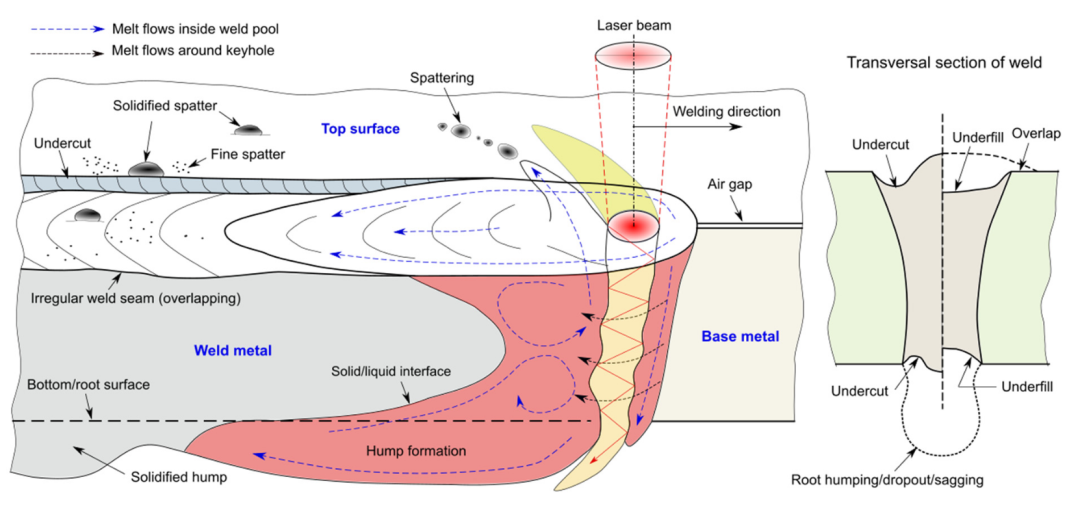
Undercut and underfill occur when travel speed is excessive, filler is insufficient, pool flow is poor, or spatter removes metal. They reduce effective section and create severe fatigue stress concentration.
Spatter results from unstable recoil pressure, keyhole fluctuation, and irregular droplet transfer. It wastes metal, contaminates optics and tooling, and can initiate surface defects.
Humping and root sagging appear when a large full-penetration pool is no longer supported by surface tension. Reducing pool volume, optimizing speed and power, and using backing support can help.
Microstructure and mechanical properties
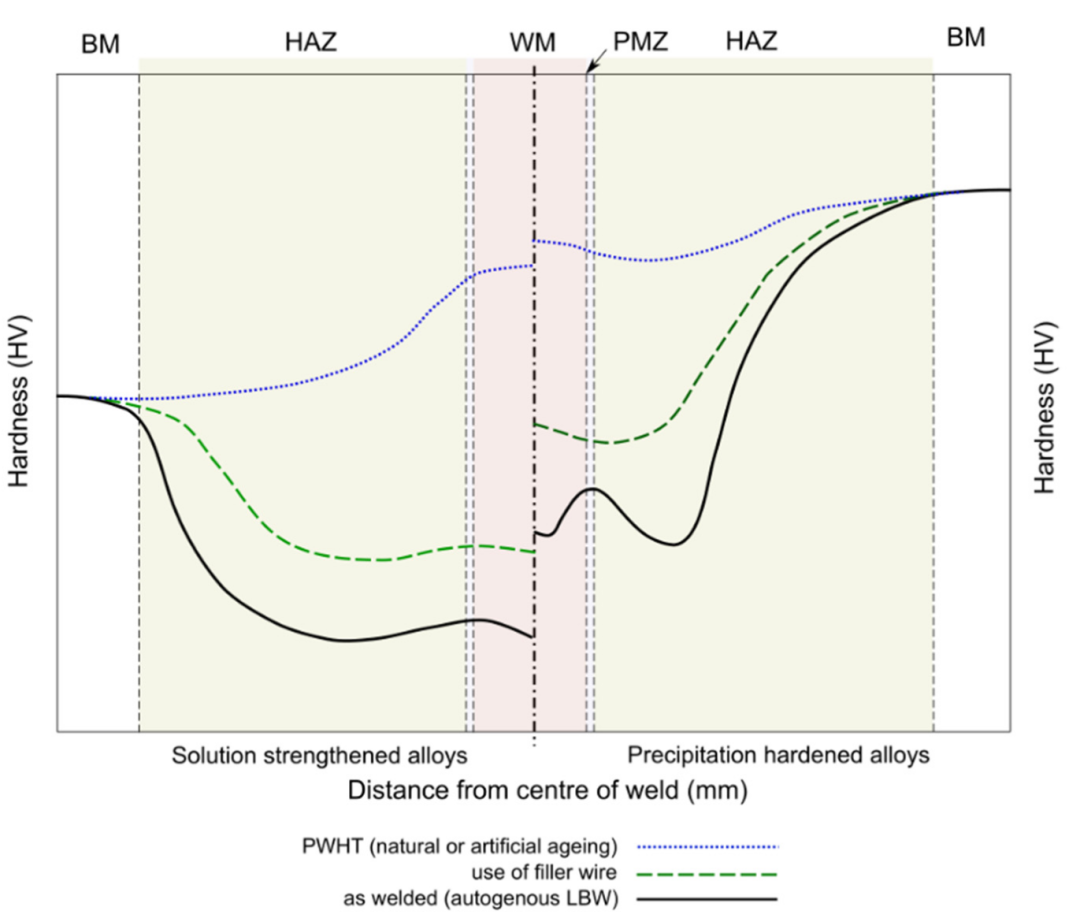
HAZ softening
- In non-heat-treatable 5xxx alloys, recovery and recrystallization remove work hardening.
- In heat-treatable 2xxx, 6xxx, and 7xxx alloys, strengthening precipitates dissolve, coarsen, or fail to re-form fully.
- Weld-metal hardness is commonly below the parent value unless chemistry and treatment deliberately overmatch it.
Strategies for stronger joints
Before welding, select compatible base material, filler, and joint geometry. During welding, minimize unnecessary heat input, tailor filler chemistry, add grain refiners, and consider beam or ultrasonic agitation. After welding, solution treatment and aging can restore part of the strength in heat-treatable alloys, but cost, distortion, and incomplete recovery remain concerns. Some 6xxx alloys recover partially through natural aging at room temperature.
Characteristics by alloy series
- 2xxx Al–Cu and Al–Cu–Li: high strength and high hot-cracking sensitivity; lithium reduces density and raises stiffness but complicates welding through evaporation and phase formation.
- 5xxx Al–Mg: comparatively weldable with moderate HAZ softening.
- 6xxx Al–Mg–Si: good general weldability but pronounced HAZ softening; often paired with 4xxx or 5xxx filler.
- 7xxx Al–Zn–Mg–Cu: highest strength, but severe hot-cracking, porosity, and softening make fusion welding difficult.
Reference
- Bunaziv, I., Akselsen, O. M., Ren, X., Nyhus, B., & Eriksson, M. “Laser Beam and Laser-Arc Hybrid Welding of Aluminium Alloys.” Metals, 11(8), 1150 (2021). DOI: 10.3390/met11081150.
The original Chinese edition was published by “Laser Insights” in Chongqing on May 12, 2025, at 22:12. View the original post